The Cameraman (1928)

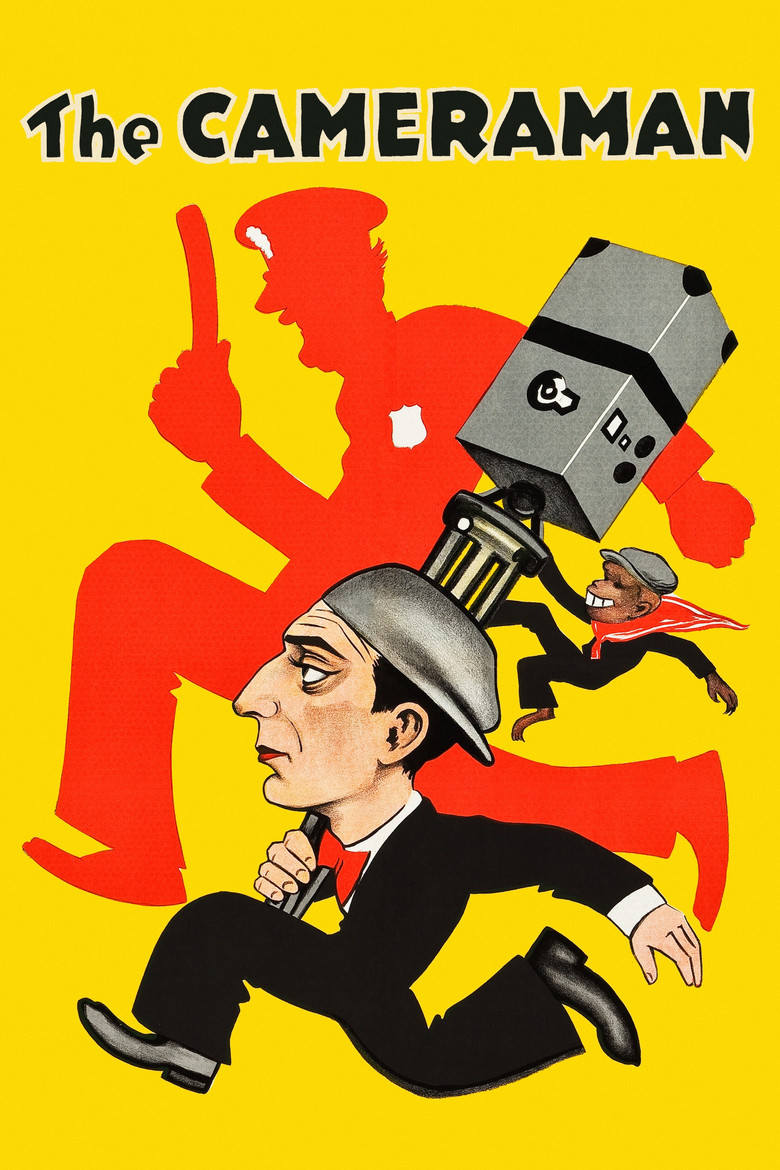
There's a moment in The Cameraman where Buster Keaton shares a tiny changing cubicle with a large stranger, and the two men contort themselves into increasingly impossible arrangements trying to get dressed without making eye contact. It's brilliantly choreographed, genuinely funny, and over in about ninety seconds. Then the film moves on, and you spend the next stretch waiting for the next burst of that energy. That, in a nutshell, is the problem.
Keaton is as committed as ever. That goes without saying. The man couldn't phone in a performance if he tried. His deadpan face, his impeccable timing, his willingness to throw himself into physical danger for a laugh, all of it is present and correct here. A harbour dive, the locker-room chaos I mentioned, a few other scattered set pieces: these are the moments that remind you exactly why he's still talked about nearly a century on. He could wring more comedy from a single blank stare than most comedians manage in an entire routine.
But here's the honest truth: this is standard Keaton, not great Keaton. And standard Keaton, while perfectly watchable, doesn't hit the same heights as the films where everything clicks into place. I've written about The General and Sherlock Jr. before, and those films have a propulsive, almost delirious quality to them, a sense that the whole thing is building toward something. The Cameraman doesn't quite have that. The pacing wanders. The romantic subplot, which drives a fair chunk of the story, lacks genuine spark. You never really feel the pull between the two characters, which makes it hard to care whether things work out.
There's also the question of how well the film travels across time. Silent cinema asks something specific of its audience: patience, a tolerance for broad pantomime, a willingness to tune into a different frequency. I don't say that as a criticism of the medium. Some silent films grab you by the collar and don't let go regardless of whether you came in warm or cold. But The Cameraman isn't one of them. For viewers already devoted to the era, it's a pleasant enough ninety minutes. For anyone still finding their footing with silent comedy, this probably won't be the one that converts you.
Edward Sedgwick directed, and the film is competently made. The cinematography is crisp, the gags are constructed with care, and there's nothing lazy about the production. It's just that the whole thing feels assembled rather than inspired. The pieces are good. The sum is merely fine.
It's worth noting that this was the beginning of Keaton's time at MGM, away from the creative freedom he'd had on his independent productions. Whether that shift had already started to sand down the edges, who can say for certain. But if you compare this to Steamboat Bill, Jr., made the same year and with that extraordinary cyclone sequence, the difference in creative ambition is noticeable.
So where does that leave The Cameraman? Historically interesting, occasionally hilarious, and a perfectly reasonable introduction to what Keaton was about. If you've never seen him before, you'll come away understanding the appeal. If you're already a fan, there are better places to spend your time. Watch the big set pieces, enjoy them for what they are, and then go back to the films that remind you he was capable of something genuinely extraordinary.
Two and a half stars.
Rating: ★★½ | Year: 1928 | Watched: 2026-05-22
Where to watch
Watch in the UK
Rent: Apple TV Store · Amazon Video
Buy: Apple TV Store · Amazon Video
Physical: Amazon UK · Zavvi
Watch in the US
Stream: fuboTV · FlixFling
Rent: Amazon Video · Apple TV Store · Google Play Movies · YouTube
Buy: Amazon Video · Apple TV Store · Google Play Movies · YouTube
Physical: Amazon US
Affiliate disclosure: Movies With Macca may earn a small commission on purchases or subscriptions started via these links. It costs you nothing extra.