The Adopted Son (1998)

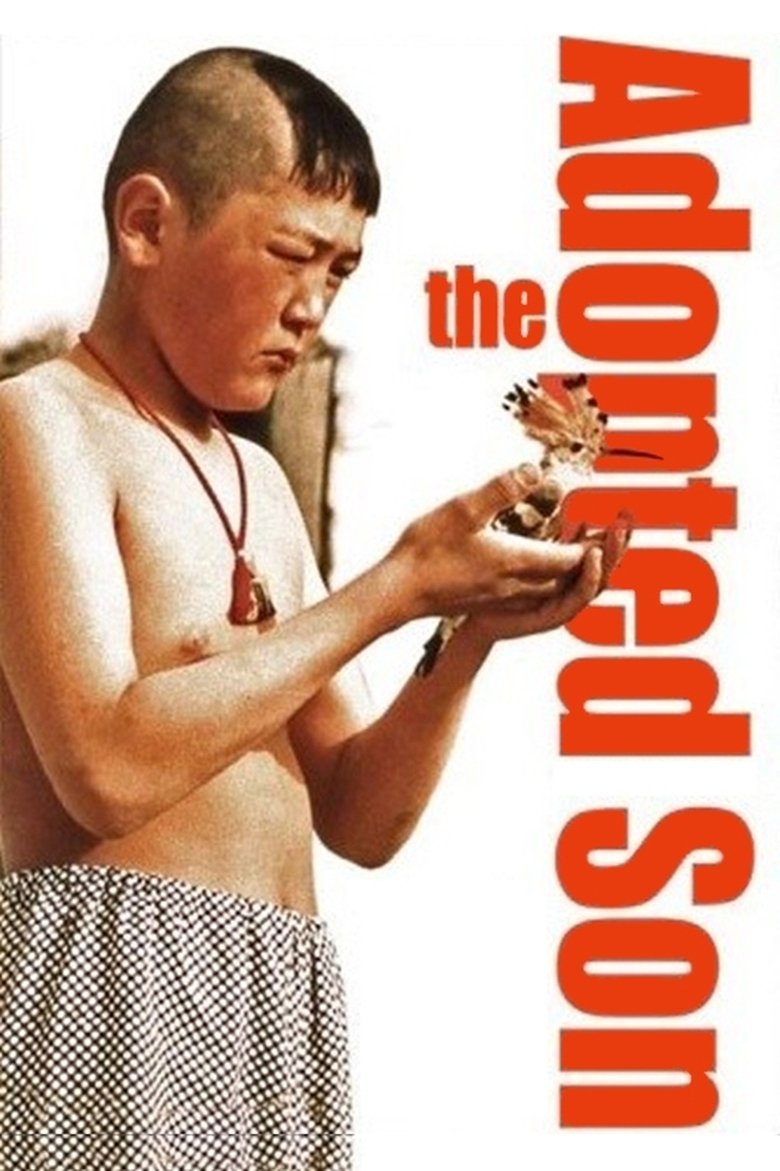
There's a moment watching The Adopted Son when the black and white photography gives way to colour, and it hits you like stepping out of a darkened room into afternoon sunlight. It's a small thing, technically speaking, but it tells you everything about what Aktan Arym Kubat is doing here. This is a film built on contrasts: silence and noise, stillness and movement, the life a child is handed and the life he might dare to imagine.
Released in 1998, The Adopted Son holds the remarkable distinction of being one of the most celebrated and defining films ever to come out of Kyrgyzstan. That alone makes it worth seeking out. But it earns its reputation on its own terms, not just as a cultural landmark. It's a deeply grounded, poignant coming-of-age story: a young boy navigating his relationships with friends and family, quietly trying to figure out where he fits in a world that has largely already decided for him.
That social undercurrent is what really got under my skin. There's a suffocating sense, running through the whole film, that the children in this rural community are expected to inherit whatever life their parents lived, full stop. The question of what you might want barely gets a look in. And yet Kubat frames this not as a tragedy but as something more complicated, something that carries its own quiet resilience. The community is constraining, yes, but it's also the only world these kids know, and they love it. That tension is handled with real delicacy.
Visually, the film is an absolute treat. The stark, striking black and white photography gives the landscape a timeless, almost mythic quality, so that when those moments of colour arrive, they feel genuinely magical. Kubat strips dialogue back to almost nothing, and it's a brilliant call. Without the chatter, you're forced to slow down and absorb things: the sweep of the landscape, the flicker of expression across a child's face, the weight of a pause between two people who don't quite know how to talk to each other. It has that deeply meditative, observational quality I also loved in Utama, where landscape and silence do the emotional work that a lesser film would hand to dialogue. It reminded me too of Memoria in the way it trusts the audience to sit with a feeling rather than explaining it.
At a brisk seventy-odd minutes, the film doesn't outstay its welcome. The pace is gentle but purposeful, and it builds to a finale that lands considerably harder than you might expect given how quietly everything has been handled up to that point. I didn't see the emotional gut-punch coming, and that's exactly how it should be.
I do have to be honest about the rough edges, though. The technical limitations are visible throughout: this is a micro-budget production, and it shows. There are moments where the raw, unpolished nature of the filmmaking pulls you out of the immersion, and that's a real shame because when it's working, it's working beautifully. It keeps this from being the full five stars it might otherwise be reaching for.
Three stars.
But even with those limitations sitting on top of it, The Adopted Son is a genuinely rewarding watch. A rough diamond is still a diamond, and this one has real soul. If you've any interest in world cinema from corners of the screen that don't get nearly enough attention, this is exactly the kind of film you should be hunting down.
Rating: ★★★ | Year: 1998 | Watched: 2026-06-26
Where to watch
Watch in the UK
Stream: Klassiki
Physical: Amazon UK · Zavvi
Watch in the US
Stream: Klassiki
Physical: Amazon US
Affiliate disclosure: Movies With Macca may earn a small commission on purchases or subscriptions started via these links. It costs you nothing extra.