Spirited Away at Twenty-Five: A Look Back
Spirited Away (2001) at twenty-five: a look back at the film, its making and its legacy.

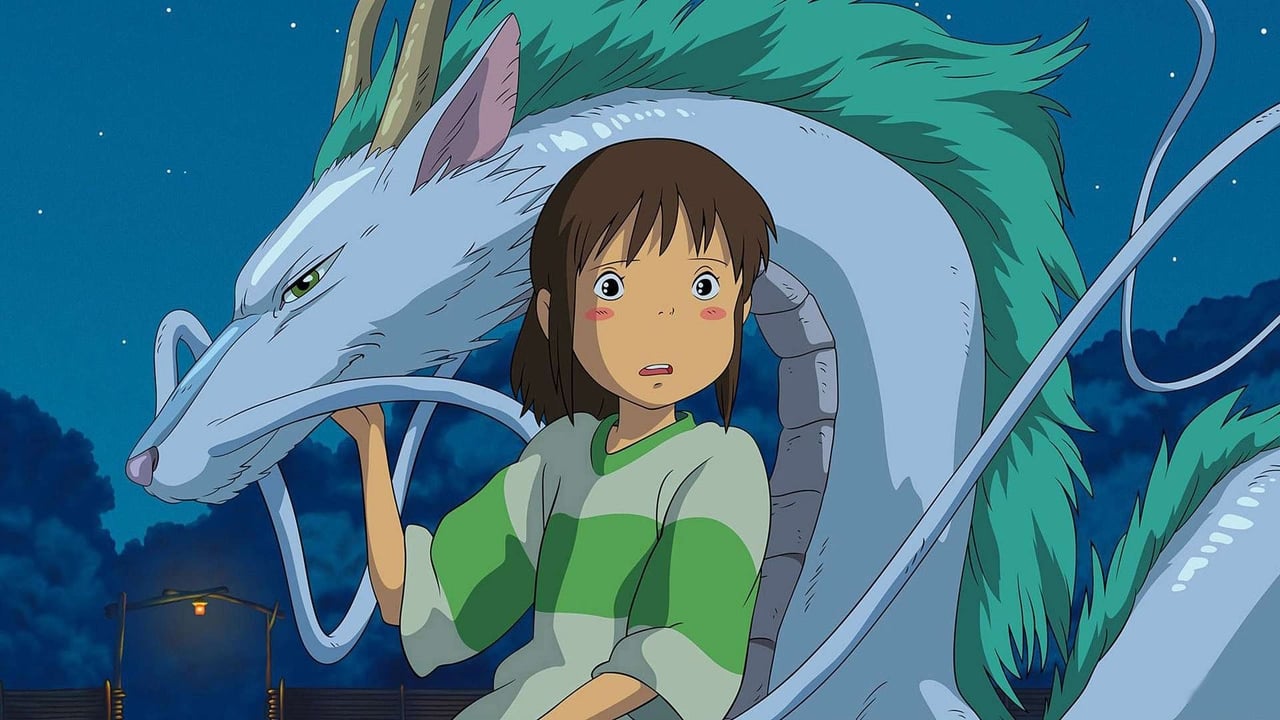
Twenty-five years ago next week, on 20 July 2001, Hayao Miyazaki's Spirited Away arrived in Japanese cinemas and quietly began its journey toward becoming one of the most beloved animated films ever made. It was a curious moment for such a film to emerge: the world was still adjusting to the arrival of Shrek and Monsters, Inc., films that had demonstrated animation's commercial potential to Western audiences, yet Spirited Away came from an entirely different tradition, rooted in Japanese folklore and made by a studio that had never quite broken through to mainstream international recognition in the way Studio Ghibli eventually would. The film tells of a girl named Chihiro who stumbles into a bathhouse populated by spirits and must navigate her way through this bewildering realm to rescue her transformed parents. It sounds like the sort of material that might have remained a regional curiosity, admired by devotees but confined to arthouse circuits in most countries.
What happened instead was something that took even its makers somewhat by surprise. Directed by Miyazaki and produced by Studio Ghibli at the height of their creative powers, the film was a meticulously hand-drawn affair that arrived at a moment when CGI was increasingly seen as the future of animation. The production had been unconventional, with Miyazaki working without a completed script, developing the story as animation progressed, trusting in his animators and his own instincts about where the narrative should lead. The film's success in Japan was swift and enormous, becoming a cultural phenomenon that exceeded even the studio's expectations. Within a couple of years it had found its way to international audiences through theatrical releases and home video, each territory discovering the film somewhat independently. For many viewers outside Japan, it arrived as an eye-opening experience: proof that animation could be sophisticated, strange, melancholic and wondrous all at once, that it could address childhood fears and the loss of identity in ways that American animation, for all its charm, was not attempting.
The quarter-century that has followed has only deepened Spirited Away's reputation. It won the Academy Award for Best Animated Feature in 2003, becoming the first non-English language film to do so, and it remains the highest-grossing traditionally animated film ever made. Yet its legacy extends well beyond box office numbers or awards ceremonies. The film has shaped how international audiences think about animation as an art form, and it has influenced countless filmmakers working in both animation and live-action cinema. What makes it endure is not nostalgia for the early 2000s but something more fundamental: Miyazaki created something that feels timeless, a film that speaks to universal anxieties about growing up and losing yourself whilst remaining utterly particular in its aesthetic and cultural specificity. Twenty-five years on, that remains a rare and precious thing.
Read my full review of Spirited Away (2001): Spirited Away (2001) ★★★★½
Related on Movies With Macca: more Animation films · more Japan films · Macca's Must Watch · more articles