Red Island (2023)

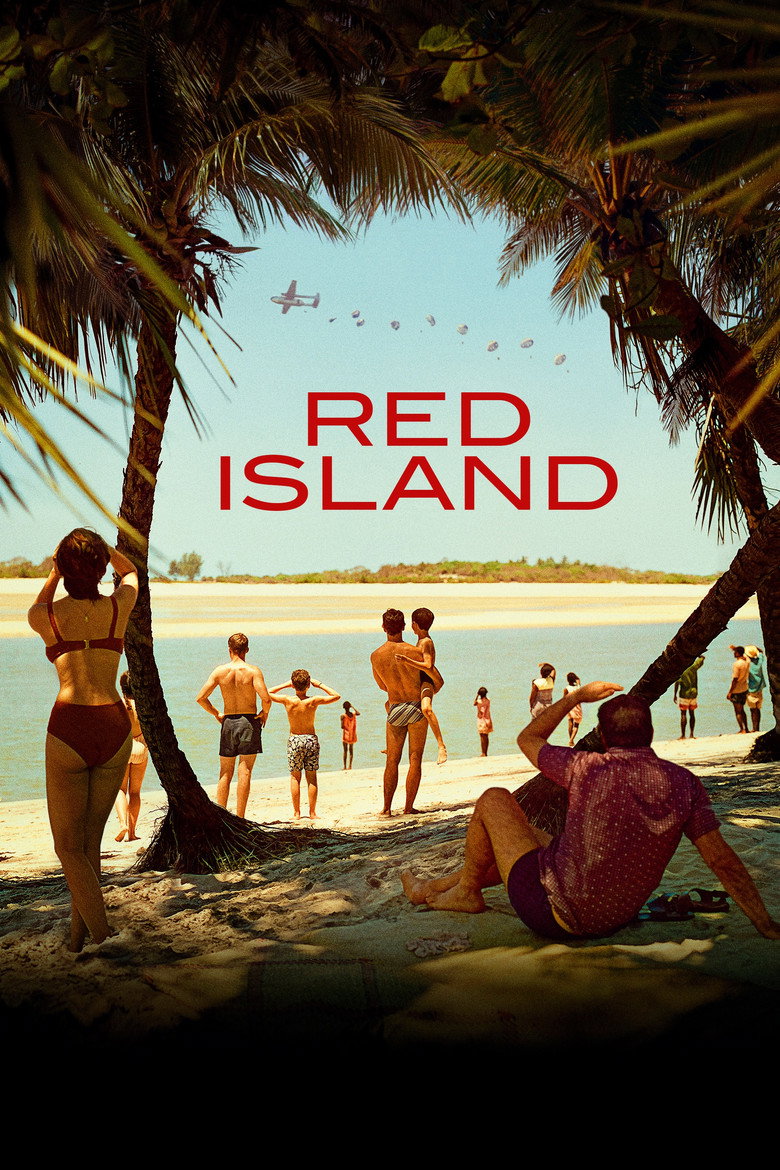
There's a particular tightrope that films about colonial history have to walk, and most of them fall off it in one direction or the other. Either they sanitise the era into something palatable and pretty, or they overload the screen with guilt until the story suffocates under the weight of its own politics. Robin Campillo's Red Island mostly keeps its balance. Mostly.
The film follows a ten-year-old French boy growing up on a military base in Madagascar during the dying days of French colonial rule. It's an intimate, personal framing for a vast and painful chapter of history, and Campillo is wise to keep the lens narrow. By filtering everything through a child's limited but keenly observant perspective, the film sidesteps a lot of the didactic traps that sink this kind of story. There's no grand speechifying, no obvious villain twirling his imperialist moustache. Instead, you get the texture of daily life in a place that is quietly, irreversibly coming apart. Credit where it's due: that's a difficult thing to pull off, and Campillo pulls it off with real sensitivity.
Visually, the film is a genuine pleasure. The cinematography bathes everything in lush, saturated tropical colour, the kind of imagery that makes the island feel simultaneously paradise-like and oppressive. It reminded me, in the best possible way, of the sun-drenched aesthetic of Call Me by Your Name, that sense of heat and beauty pressing in from every angle. The camera lingers on the flora, the light through the trees, the humid air hanging over the base, and it creates an atmosphere that is genuinely immersive. The performances match it too. The cast, across the board, bring a naturalistic warmth to the material that makes this little military microcosm feel completely lived-in. You believe in this world.
So it's a real shame that the story itself can't quite keep pace with everything around it. This is where Red Island loses me, and I want to be honest about that rather than paper over it with vague praise. For the bulk of the runtime, the narrative drifts. It meanders through scenes that are individually pleasant enough to watch but collectively fail to build any real tension or momentum. The central conflicts don't grip the way they should. I found myself admiring the film rather than feeling it, which is a frustrating place to be when everything else on screen is asking you to lean in.
And then, in the final ten minutes, something clicks. The film suddenly finds its footing, delivers the emotional weight it's been promising all along, and you leave feeling like there was a genuinely great film lurking inside this one, waiting for someone to give it a sharper script. Those closing scenes are by far the most exciting and affecting stretch of the entire piece. It's a relief when they arrive, but it also throws the preceding sluggishness into sharp relief.
It's worth saying that Madagascar as a setting carries its own complicated cinematic history, and films that try to engage seriously with that landscape and its colonial wounds deserve some patience. I reviewed Tany Mena a while back, and that film approaches some of the same territory with a very different register. Red Island sits somewhere between the personal and the political, and you can feel Campillo pulling in both directions at once.
Two and a half stars, and I mean that genuinely rather than as a cop-out. There is real craft here. Campillo has an extraordinary eye, and his instinct for atmosphere and performance is beyond question. But a beautiful frame and a compelling setting can only carry a film so far when the writing underneath them isn't holding its own weight. Red Island is well worth watching, particularly if you've got the patience for slow-burn coming-of-age storytelling. Just don't be surprised if you spend most of the runtime waiting for it to become the film it occasionally promises to be.
Rating: ★★½ | Year: 2023 | Watched: 2026-06-26
Where to watch
Watch in the UK
Stream: Curzon Amazon Channel
Rent: Apple TV Store · Amazon Video · Google Play Movies · BFI Player
Buy: Apple TV Store · Amazon Video · Google Play Movies · Sky Store
Physical: Amazon UK · Zavvi
Watch in the US
Stream: Film Movement Plus · Film Movement Plus Amazon Channel
Rent: Amazon Video · Apple TV Store · Google Play Movies · YouTube
Buy: Amazon Video · Apple TV Store · Google Play Movies · YouTube
Physical: Amazon US
Affiliate disclosure: Movies With Macca may earn a small commission on purchases or subscriptions started via these links. It costs you nothing extra.