Max Havoc: Curse Of The Dragon (2004)

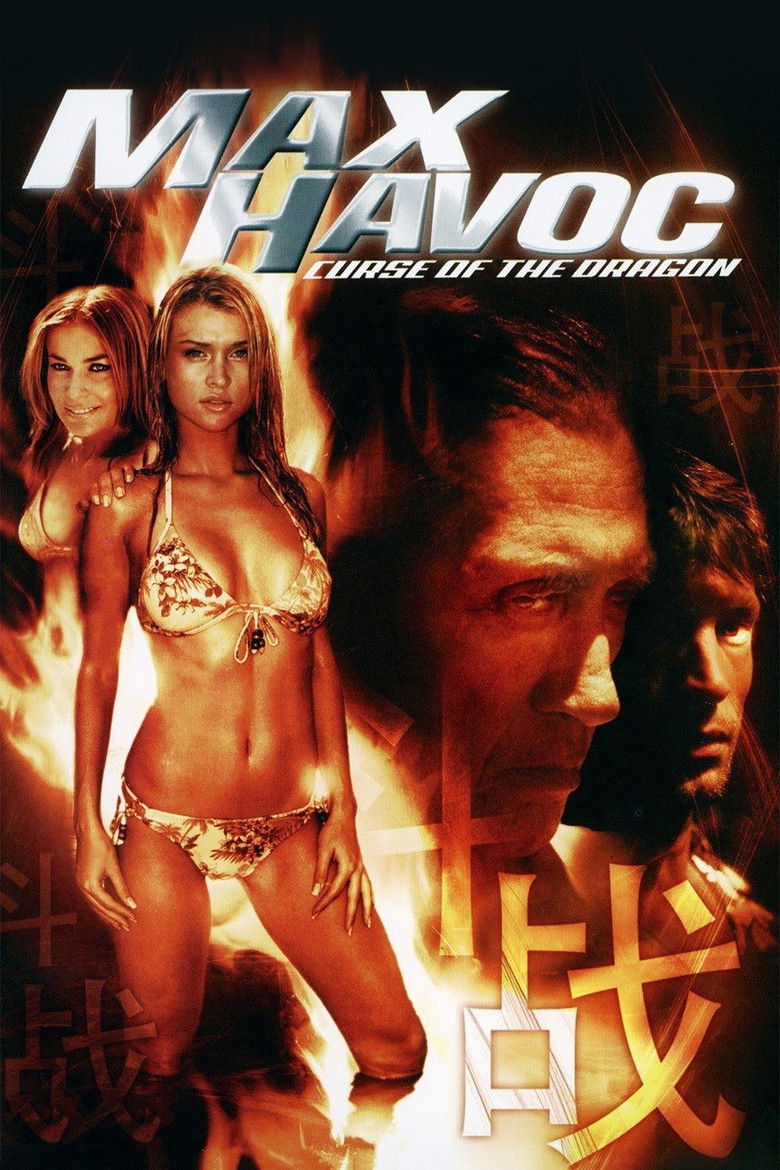
Some films are bad in an interesting way. Max Havoc: Curse of the Dragon is not one of them. It's bad in the way a damp Tuesday afternoon is bad: no drama, no spectacle, just a grey stretch of time you'll never get back. I watched it as part of a "films from Guam" challenge, which is about the most generous reason anyone could have for sitting through it, and even with that built-in goodwill, it's a tough ninety-odd minutes to defend.
Director Albert Pyun was famously prolific, a man who churned out genre pictures at a pace that defied both logic and budgetary gravity. There's a certain fascination in tracking his output, I'll admit. But fascination only carries you so far. What we get here feels less like a martial-arts adventure and more like a location-scouting reel that got confused and started calling itself a movie. Guam looks lovely. Genuinely. The island deserves better than to be the backdrop for something this inert.
From the opening frames, Max Havoc: Curse of the Dragon is operating on autopilot. You've got a generic hero, a thin MacGuffin plot, and a runtime that's been padded with so much filler it's practically a cushion. Characters wander. Characters talk in circles. Characters stare at tropical scenery while the film's momentum, such as it is, quietly evaporates. There's no rhythm to it, no sense that anyone behind the camera was building toward anything. Long stretches pass and you start to wonder if you've accidentally rewound.
For a martial-arts picture, the action choreography is shockingly basic. Poorly framed, sluggishly edited, completely lacking in the snap and impact that makes even a modest genre entry worth your time. Compare it to something like The Raid 2, where every sequence crackles with intent and physicality, and you start to understand just how much craft goes into making a fight feel real. Here, the fights feel like they're happening in slow motion, and not the cool kind. The kind where someone forgot to call action.
The acting is uniformly wooden, with line deliveries that suggest first takes were declared good enough and everyone went for lunch. Chemistry between the cast is so absent you'd think they filmed their parts separately and mailed them in. The script is a catalogue of action-movie clichés strung together with exposition so clunky it kills any tension before it can take a breath. It doesn't feel like a film. It feels like a forgotten episode of a syndicated TV show that got lost in post-production and nobody went looking for it.
The one genuine curiosity is David Carradine. His weary professionalism lends a flicker of something to proceedings that desperately need it, and there's a strange sadness in watching a genre icon handed so little to work with. Stoic glances. Exposition dumps. The occasional meaningful pause. He's not bad, he simply has nothing to do, and his presence mostly serves to highlight how much more could have been squeezed out of this with a sharper script and a fraction more ambition.
One star, and I'll explain why I didn't go lower. It's a finished film. It exists. It puts Guam on the global cinema map, which matters in a small way, and it features a recognisable genre name in its cast. If you're hunting down films from every corner of the world, or you're conducting a serious study of Pyun's late-career output, it belongs on your list. But as entertainment? As action cinema? As even the campy, guilty-pleasure kind of bad that's secretly a good time? It fails on every front. There's no joy in the badness here, just a flat, airless void where a film could have been.
Watch it only if the challenge demands it. Otherwise, life's too short and there are too many better films about dragons.
Rating: ★ | Year: 2004 | Watched: 2026-06-07
Where to watch
Watch in the UK
Stream: Amazon Prime Video · Amazon Prime Video with Ads
Rent: Amazon Video
Buy: Amazon Video
Physical: Amazon UK · Zavvi
Watch in the US
Stream: fuboTV · Troma NOW
Rent: Amazon Video · Fandango At Home
Buy: Amazon Video · Fandango At Home
Physical: Amazon US
Affiliate disclosure: Movies With Macca may earn a small commission on purchases or subscriptions started via these links. It costs you nothing extra.