Elephant (2003)

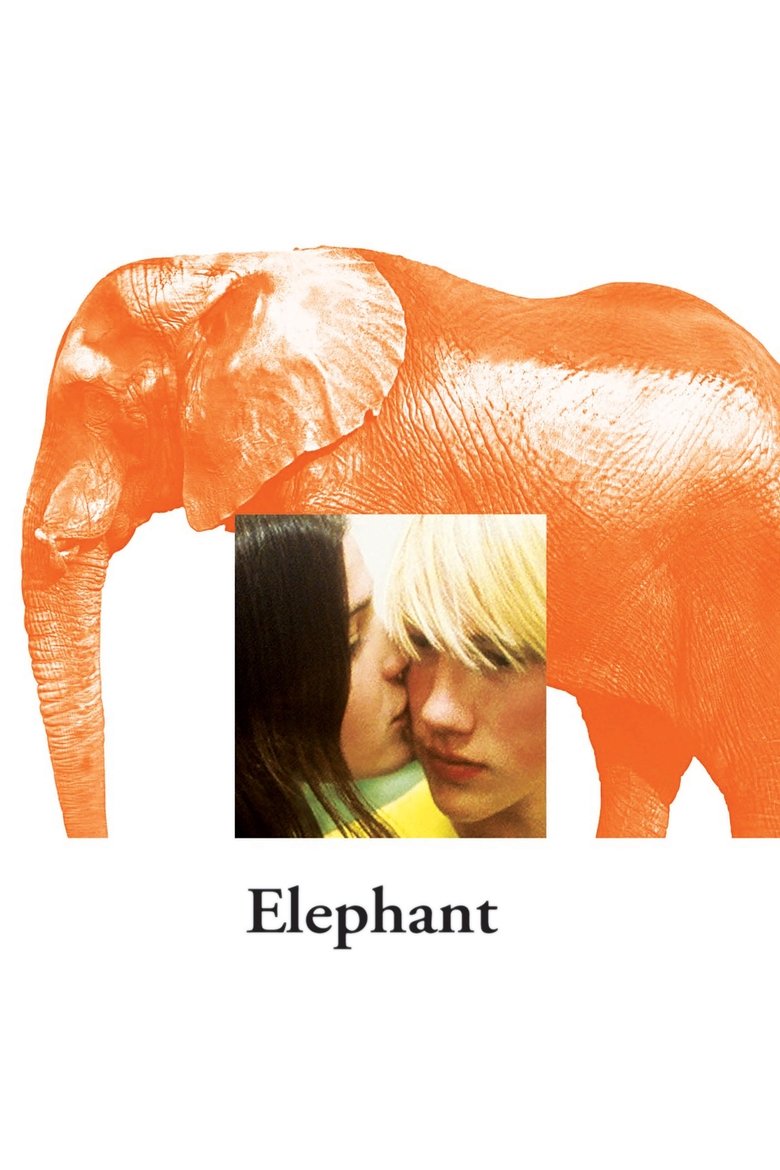
There's a moment in Elephant where everything changes. You've spent the best part of half an hour just watching teenagers go about their day. Someone's late for school. Someone else is taking photographs. The rhythms are slow, unhurried, almost meditative. And then a character walks past two lads in camouflage gear hauling massive duffel bags, and the penny drops. From that second on, the film becomes something else entirely: a ticking clock you desperately want someone to stop, and you already know nobody will.
I have incredibly mixed feelings about Gus Van Sant's 2003 film, and I've been turning them over ever since I watched it. On a purely structural level, it's genuinely brilliant. The episodic format, revisiting the same ordinary school day from one student's perspective and then another's, is a bold, slow-burn choice that pays off completely. What strikes me most is how effectively it manufactures dread out of absolutely nothing. Lockers, hallways, a photography class, lunch. The mundane stuff of any school morning. And yet by the time you understand where the film is heading, all of that mundanity has been quietly poisoned. You're watching it again in your memory and everything feels sinister.
From that turning point onwards, Gus Van Sant does something genuinely unusual. He depicts an act of almost incomprehensible violence while showing remarkably little of it. There's no sensationalism, no slow-motion carnage, no score swelling to tell you how to feel. The horror is delivered with a flat, cold detachment that is, paradoxically, far more disturbing than any gore could be. It's an anti-violence film built around violence, and for a production that clearly didn't have much money to throw at it, the approach works remarkably well. The cast, largely unknown faces, give naturalistic performances that never feel like acting, and the haunting, spare soundtrack gives the whole thing an inescapable, creeping quality. The craft is undeniable.
But here's where I have to stop and be honest about something that I can't just wave away in the name of artistic merit. For all the things Elephant gets right, it is also an extremely dangerous piece of media. The film lingers on the shooters' meticulous preparation, their cold, casual demeanour, the chilling ordinariness of how they go about it. Van Sant's refusal to moralise, which is artistically admirable in one sense, also means the film offers no condemnation, no framework, nothing to push back against the blueprint it is effectively laying out. It's highly likely, in my view, that this film has provided inspiration to real people in the years since its release. That's not a comfortable thought to sit with, and I don't think it should be.
This is the knot I can't untangle. I can admire the filmmaking. I genuinely do. The structural ingenuity, the tonal control, the way it builds unbearable tension from almost nothing, these are real achievements. But I deeply question the responsibility of putting something like this into the world, and more so, of making it as freely and easily accessible as it has been. Artistic intent does not cancel out real-world consequence, and Elephant is a film that forces you to wrestle with that tension whether you want to or not.
It's a technically brilliant, profoundly unsettling piece of work that leaves a genuinely foul taste in your mouth. Not because it fails, but because in some ways it succeeds too well. It's the rare film I'd describe as probably shouldn't exist, or at the very least shouldn't be as casually available as it is. I can respect what Van Sant was trying to do. I can see the craft in every frame. And I still can't fully celebrate it.
Three and a half stars.
Rating: ★★★½ | Year: 2003 | Watched: 2026-06-22
Where to watch
Watch in the UK
Stream: HBO Max Amazon Channel · HBO Max
Physical: Amazon UK · Zavvi
Watch in the US
Rent: Amazon Video · Apple TV Store · Google Play Movies · YouTube
Buy: Amazon Video · Apple TV Store · Google Play Movies · YouTube
Physical: Amazon US
Affiliate disclosure: Movies With Macca may earn a small commission on purchases or subscriptions started via these links. It costs you nothing extra.