Ariel (1988)

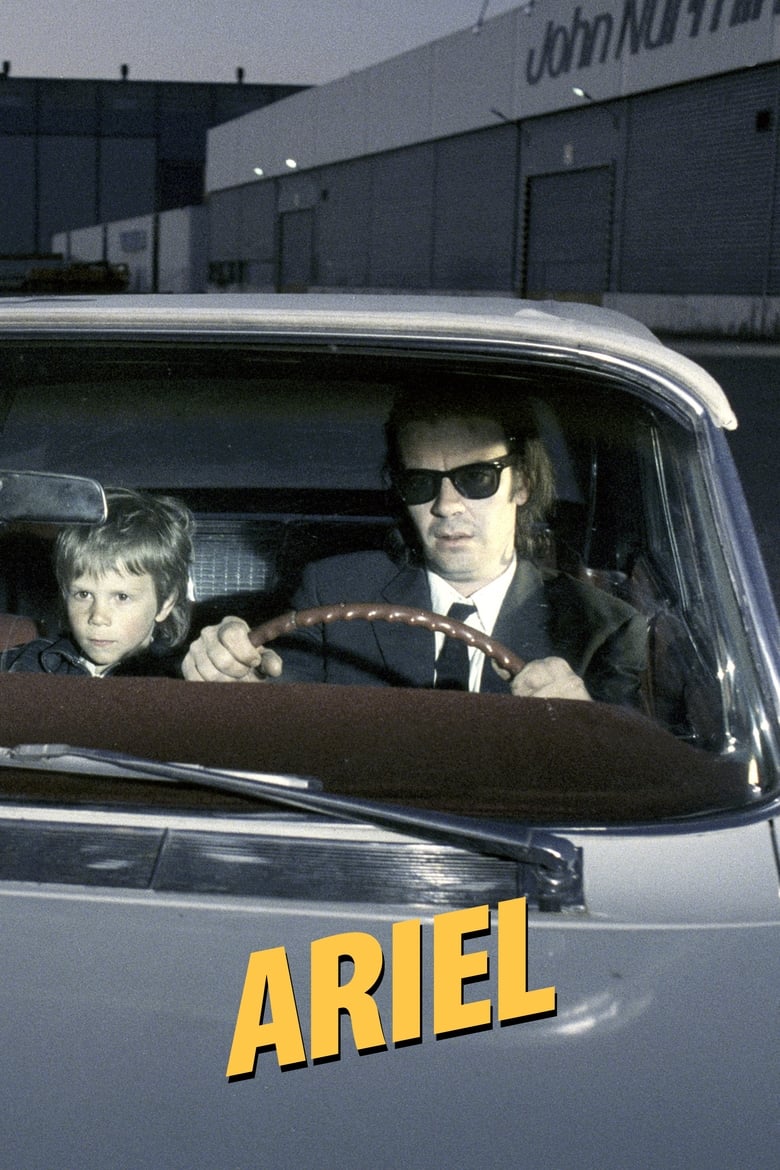
There's a moment early in Ariel when our newly unemployed protagonist, handed a convertible and precious little else by a despairing colleague, simply points the car south and drives. No grand speech, no swelling music. Just a man and a road and the vague hope that Helsinki might be kinder than whatever he's leaving behind. That image tells you almost everything you need to know about how Aki Kaurismäki operates: quietly, plainly, and with a dry sympathy that sneaks up on you before you've even noticed it arriving.
I've now seen a handful of Kaurismäki's films, and I'm starting to know the terrain. Bleak, deadpan, tragicomic, painted in the most gloriously beige palette of grey skies and dingy bars you could imagine. Ariel, part of the same loose "proletariat" run of films as The Match Factory Girl, is a fine example of exactly that. It follows a laid-off miner who heads south in search of a better life and is promptly met with just about every setback the world can throw at him: robbery, poverty, prison, the lot. It reads, on paper, like a misery marathon. It really, genuinely isn't.
And here is the strange magic of it. Despite being one long string of misfortunes, this is a really good, oddly warm little film. Kaurismäki tells it with such dry, understated wit, and such quiet sympathy for his down-on-their-luck characters, that the relentless grimness never once becomes a slog. There's a lightness to the way he holds the camera steady and lets the absurdity of life's cruelties speak for itself. His characters don't wail or monologue. They just carry on, and somehow that restraint makes you root for them more fiercely than any amount of dramatic posturing ever could.
There's real social commentary threaded through it, too. About economics and unemployment, about crime as a last resort when every legitimate door has been slammed in your face, and about that very human dream of simply escaping it all for somewhere better. It says a great deal, and it says it without ever raising its voice. That's harder to pull off than it looks.
Now, it isn't flawless. The acting is, on the whole, fairly average, and it tips into the outright amateurish here and there. The fight scenes in particular are a touch clumsy, the kind of thing that might make you wince if you'd wandered in expecting something slick. But that roughness sits oddly well with Kaurismäki's deliberately plain, unshowy style. Polish would almost feel wrong here. There's something fitting about a film concerning itself with rough lives and reduced circumstances looking a little rough and reduced itself.
What I keep coming back to is how much warmth Kaurismäki manages to generate from such cold materials. His world is full of people the system has chewed up and spat out, and he watches them without condescension and without sentimentality. He just looks, steadily and honestly, and trusts you to feel what you feel. The result is a spare, sad, quietly funny film about clinging to hope when everything is stacked against you. It's stayed with me more than its modest surface might suggest.
Three and a half stars, and a bleakly lovely little slice of Finnish melancholy. If you haven't spent time in Kaurismäki's world yet, this is as good a door in as any.
Rating: ★★★½ | Year: 1988 | Watched: 2026-09-01
Where to watch
Watch in the UK
Rent: Apple TV Store · Amazon Video · Google Play Movies · Curzon Home Cinema
Buy: Apple TV Store · Amazon Video · Google Play Movies · YouTube
Physical: Amazon UK · Zavvi
Watch in the US
Stream: Criterion Channel · TCM
Physical: Amazon US
Affiliate disclosure: Movies With Macca may earn a small commission on purchases or subscriptions started via these links. It costs you nothing extra.