Under the Sign of Voodoo (1974)

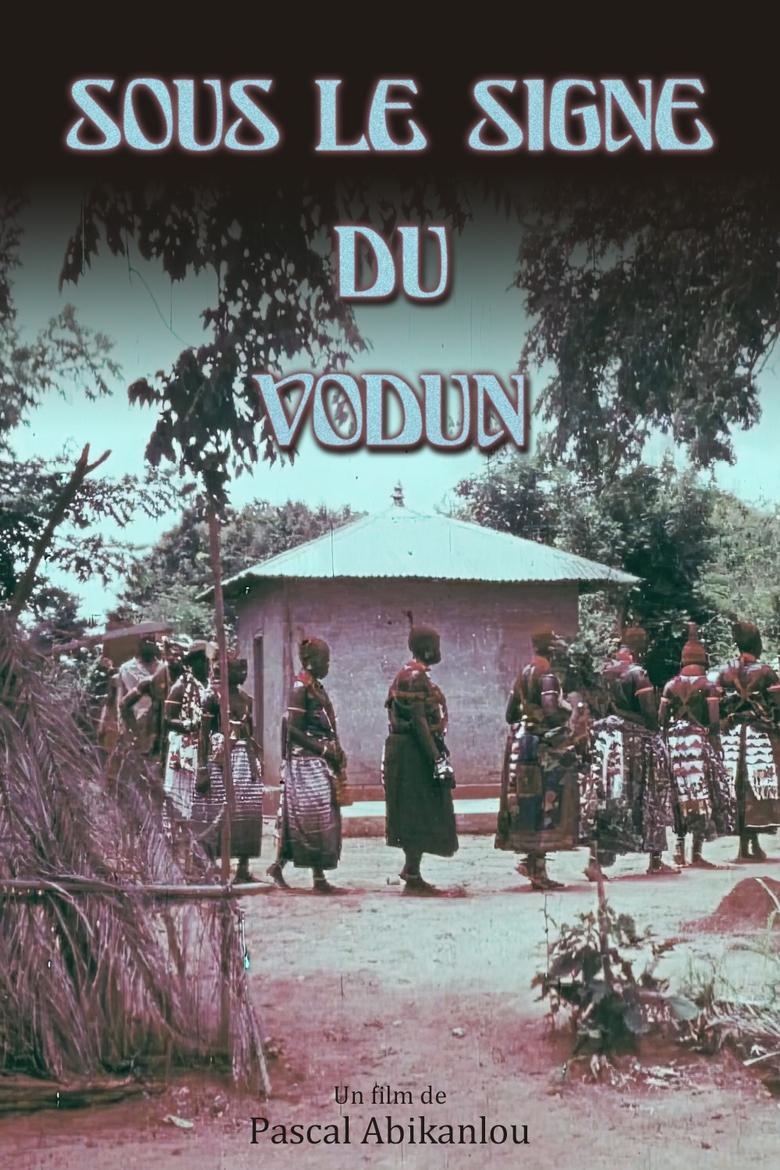
There's something genuinely exciting about a film tournament format that forces you to watch cinema from corners of the world you'd never normally visit. My "Movie World Cup" has already thrown up some wonderful surprises, but it also drops you in front of films like this one, where the historical significance and the actual viewing experience are two very different things.
Pascal Abikanlou's Under the Sign of Voodoo carries a remarkable distinction: it's the first feature film ever produced in Benin, and to this day it remains the most popular film the country has ever made. That's a lot of weight to carry for any picture, and fair play to Abikanlou for planting that flag and building something from nothing. Without him, there's no Beninese film industry to speak of. That matters. It genuinely does.
But I also have to be honest with you: as a piece of pure cinema, it's a decidedly mixed bag.
Let's start with what works, because there is real value here. The locations are absolutely cracking. There's a vibrant, sun-drenched quality to the landscapes and settings that gives you a vivid window into 1970s Benin, and the cultural specificity on display is the kind of thing you simply won't find anywhere else. As a historical curio, it's fascinating. As a document of time and place, it's genuinely irreplaceable. I found myself thinking of Son du serpent (2015), another piece of West African cinema that uses its surroundings with real confidence. This doesn't quite manage the same, but you can see the impulse.
The technical execution, though, is rough. And I don't mean that in a charming, lo-fi way. The cinematography often feels like a mess, lacking the compositional clarity or visual discipline you'd hope for even from a modest production of this era. Framing feels accidental at times, and there's a flatness to the image that makes it hard to engage with what's on screen.
More frustratingly, large portions of the dialogue remain untranslated from the local Beninese dialect. I want to be careful here, because I genuinely respect the authenticity of that choice. This isn't a film made for me, and I understand that. But the practical effect, as a viewer sitting with it, is that I felt completely disconnected from the story. Crucial context slipped away. Emotional beats landed without any foundation. I was watching people react to things I couldn't follow, and that distance never really closed.
Even when I could piece together what was happening, the storytelling itself felt surface level. There's a genuinely interesting premise somewhere in here, something to do with voodoo, tradition and community that hints at real dramatic possibility. But the script doesn't dig into it. Instead of a character-driven narrative with any psychological depth, you get a fairly predictable series of events that play out with surprisingly little dramatic weight. It teases you with its cultural specificity and then delivers something closer to a rushed travelogue than a fully formed drama.
So where does that leave me? Honestly, this is a film I can respect more than I can actually enjoy. The fact that this rough-hewn debut remains the most watched film from its country of origin is, when you sit with it, a genuinely interesting piece of film history. It deserves its place in the archives, and Abikanlou deserves recognition for the groundwork he laid. But for anyone coming to this as a standalone viewing experience, looking for an accessible, compelling story, the language barriers and technical shortcomings are simply too high a hurdle to clear.
Two stars. Historic, yes. A comfortable watch, not really.
Rating: ★★ | Year: 1974 | Watched: 2026-07-13