Unbreakable (2000)


By the autumn of 2000, M. Night Shyamalan was operating under a pressure that very few filmmakers ever have to manage: the weight of a genuine phenomenon. The Sixth Sense (1999) had been one of the biggest surprise hits of the decade, a film that rewrote the rules of the modern twist ending and sent audiences back to the cinema for second viewings just to check they hadn't imagined it. Following that up required either nerve or foolishness, possibly both. Unbreakable was the answer, and it arrived as something few people expected: a slow, muted, genuinely strange film about a man who survives a catastrophic train crash without a scratch, and what that survival might mean. It is, at its core, a superhero origin story, but one built not on spectacle and mythology but on quiet dread and a marriage coming apart at the seams. Released years before the comic book genre became the dominant commercial force in Hollywood, it treats the material with a seriousness that was ahead of its time and, for some audiences on release, probably felt like a disappointment.
Shyamalan wrote and directed, as was already his established practice, keeping creative control tightly within his own production banner, Blinding Edge Pictures, with Barry Mendel producing alongside him and Touchstone Pictures handling distribution. The script is restrained to the point of austerity: scenes breathe, dialogue is sparse, and the film trusts its audience to sit with discomfort rather than rushing to explain itself. The central conceit draws loosely on the visual language and mythology of American comic books, but the film is careful never to play it as genre entertainment. It is closer, in mood and pacing, to a character study that happens to contain an extraordinary premise.
The cast is built around two performers who are doing some of the most controlled, interior work of their careers here. Bruce Willis, fresh off a run of high-octane action films (I covered a couple of those elsewhere, including Die Hard (1988)), plays David Dunn with a weariness that goes well beyond the physical. This is not an action hero; this is a man who has been quietly defeated by ordinary life and is only slowly, reluctantly starting to understand why. Opposite him, Samuel L. Jackson plays Elijah Price, a comic book dealer with a rare bone condition that has left him extraordinarily fragile, as a character of wounded, almost obsessive intelligence. Jackson, who I also reviewed in Black Snake Moan (2006), brings a kind of brittle grandeur to the role, and the scenes between the two men carry a weight that the plot alone could not generate. Robin Wright and Spencer Treat Clark, as Dunn's wife and son respectively, fill out the domestic world with enough specificity to make it feel genuinely inhabited rather than merely functional. Charlayne Woodard, as Elijah's mother, provides a grounding warmth in her limited screen time.
The look of the film is the work of cinematographer Eduardo Serra, who shoots Philadelphia in deep, cool shadows and deliberate, almost painterly compositions. Serra favours wide frames that place characters at the edges of the image, hemmed in by their surroundings, and a palette that keeps warmth at a distance, as though colour itself is something the story has not quite earned yet. The effect is to make the whole film feel slightly out of time, more fable than thriller. Composer James Newton Howard, who had already worked with Shyamalan on The Sixth Sense, provides a score built from long, low strings and quietly insistent themes, music that suggests something momentous without announcing it. Editor Dylan Tichenor cuts with notable patience, allowing scenes to settle and hold rather than building pace through momentum, which suits the material precisely and creates an atmosphere of sustained, low-level unease.
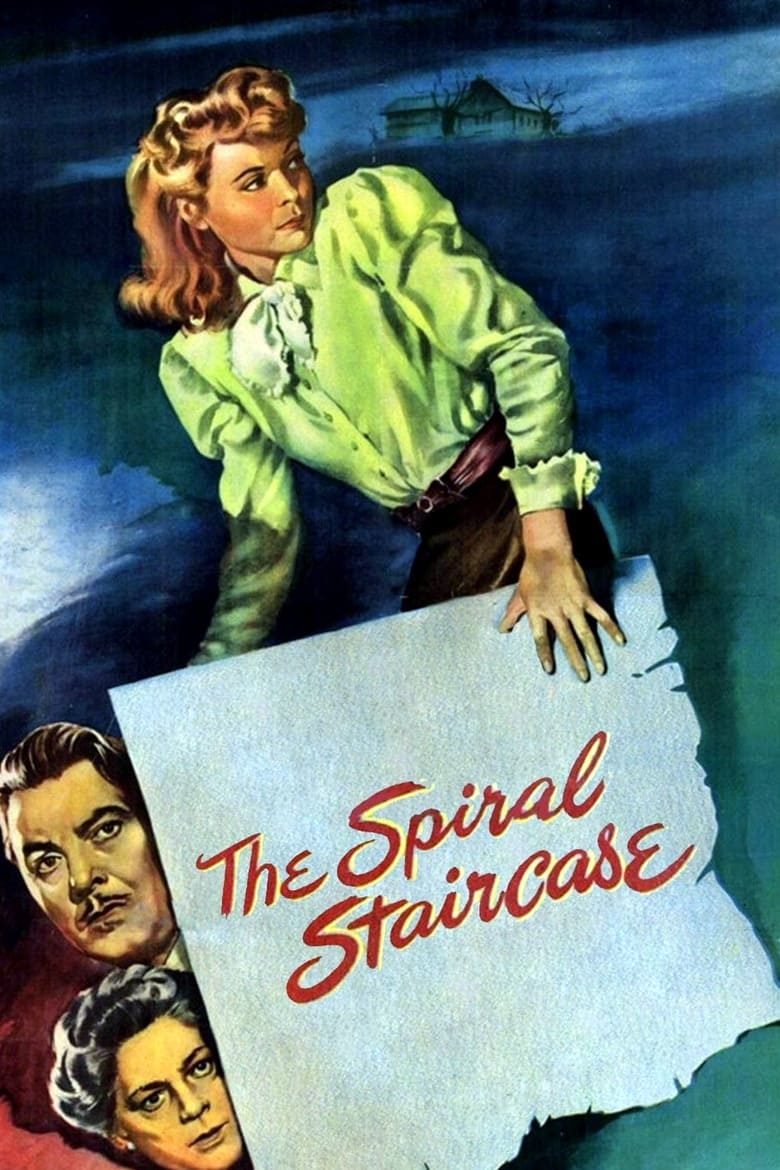
For a companion piece on Shyamalan's work from the same period, see also Signs (2002), the film that followed this one and represented yet another tonal shift from the same filmmaker.
M. Night Shyamalan was, for a spell around the turn of the millennium, absolutely cooking, and Unbreakable is a good part of the reason why.
His films from that run share a particular quality: you watch them once and are swept up entirely, in the story, the mood, the rug-pull of the twist, but a fair bit of that magic lives in not knowing where it is going, so it can be hard to recapture on a second visit. That is not really a criticism, more the nature of the trick.
Unbreakable itself is a wonderfully patient, melancholy thing, a superhero origin story told years before that became the only story Hollywood wanted to tell, and pitched in a hushed, grounded key that most of those later films would never dare attempt.
I put it on for my wife, who had never seen it, and she was gripped from the off. And though it had been a good twenty-five years since I last watched it, and I still remembered the shape of the story, it was a joy to live through it again beside her, watching it land on someone coming to it fresh.
The performances hold it all together. Bruce Willis is excellent, all weary stillness as a man slowly, reluctantly working out what he might be; Samuel L. Jackson brings a fragile, wounded intensity to his opposite number; and Robin Wright grounds the whole thing beautifully. It is not one I will return to often, precisely because so much of its power lies in that first encounter, but what a first encounter it is. Four stars, and a reminder of just how good Shyamalan was when he was at the very top of his game.
Unbreakable occupies an interesting position in retrospect: a film that was politely received on release but has grown considerably in reputation as the superhero genre it quietly prefigured expanded to fill the entire cultural landscape. Watched now, with that context in mind, it reads as a deliberate act of restraint in a space that would go on to have very little of it. Whether that restraint is what you want from a film on a given evening is a fair question, but the craftsmanship is not in doubt, and the performances give it more emotional heft than the premise might suggest. Some films gain their power from what they hold back, and this is very much one of them.
Rating: ★★★★ | Year: 2000 | Watched: 2026-09-26
Trailer
▶ Watch the official trailer for Unbreakable (2000) on YouTube
Where to watch
Watch in the UK
Stream: Disney Plus
Rent: Apple TV Store · Rakuten TV · Amazon Video · Sky Store
Buy: Apple TV Store · Rakuten TV · Amazon Video · Google Play Movies
Physical: Amazon UK · Zavvi
Watch in the US
Rent: Amazon Video · Apple TV Store · Google Play Movies · YouTube
Buy: Amazon Video · Apple TV Store · Google Play Movies · YouTube
Physical: Amazon US
Affiliate disclosure: Movies With Macca may earn a small commission on purchases or subscriptions started via these links. It costs you nothing extra.