The Salesman at Ten: A Look Back
The Salesman (2016) at ten: a look back at the film, its making and its legacy.

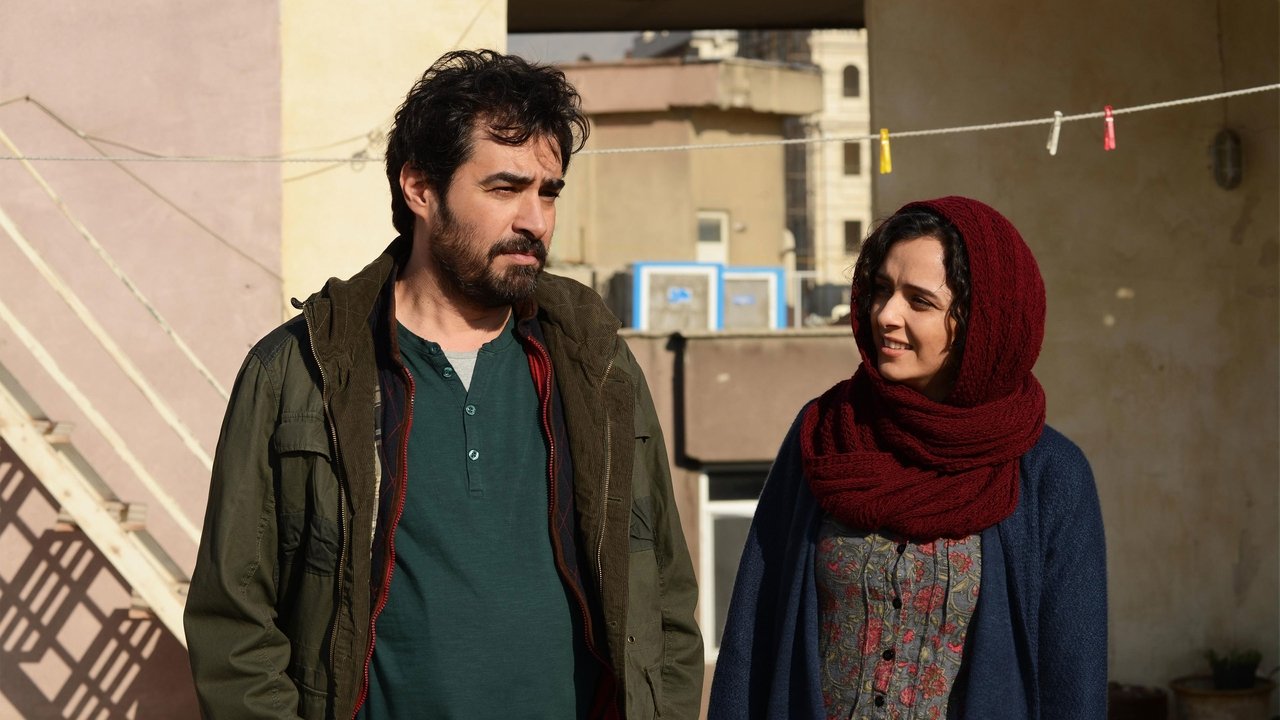
Ten years ago this week, Asghar Farhadi's "The Salesman" arrived in Iranian cinemas, a film that would go on to become one of the most politically resonant works of recent European cinema, even as it emerged from Tehran. The spring of 2016 was a curious moment for Iranian cinema on the international stage: the country's nuclear deal had just been signed the previous summer, there was a tentative opening in relations with the West, and yet social tensions at home remained as fraught as ever. Into this climate stepped Farhadi with a film that seemed, on the surface, to be a domestic drama about a couple's life unravelling after they move into a new apartment. In reality, it was something far more searching.
The film concerns itself with Emad and Rana, a young married couple who are theatre actors forced to relocate when their building becomes unsafe. Their new flat harbours a terrible secret, and when a violent incident from the previous tenant's life intersects with their own, the couple becomes entangled in a cycle of suspicion, blame, and moral reckoning. What makes Farhadi's approach so distinctive is his refusal to offer easy answers or moral clarity. He was already known for this method: "A Separation" had won the Golden Bear in Berlin in 2011, and "The Past" followed in 2013. But "The Salesman" feels like his most mature work in this regard, a film that treats the audience as intelligent enough to sit with ambiguity and contradiction. At a time when Iranian cinema was often positioned in the West as either documentary realism or allegorical commentary on state oppression, Farhadi was interested in something messier and more human: how ordinary people navigate shame, justice, and the gap between what we believe about ourselves and what we actually do. The film won the Golden Bear again at Berlin, and later the Academy Award for Best Foreign Language Film, though Farhadi notably boycotted the ceremony in protest of America's travel ban targeting Iranian citizens.
A decade on, "The Salesman" endures because it resists becoming a film about Iran for Western audiences seeking moral instruction. Instead, it functions as a universal study of how trauma spreads through relationships, how the hunt for culpability can poison even the most principled people, and how theatre itself (Emad and Rana perform in a production of "Death of a Salesman," which lends the film its title and thematic weight) offers a mirror to lives lived in performance. The film's willingness to make you complicit in its characters' moral compromises, to deny you the satisfaction of judgment, remains its greatest strength. In an age of films eager to tell you what to think, Farhadi's quiet, pitiless gaze feels increasingly necessary.
Read my full review of The Salesman (2016): The Salesman (2016) ★★★½
Related on Movies With Macca: more Drama films · more Iran films · Macca's Must Watch · more articles