The Handmaiden at Ten: A Look Back

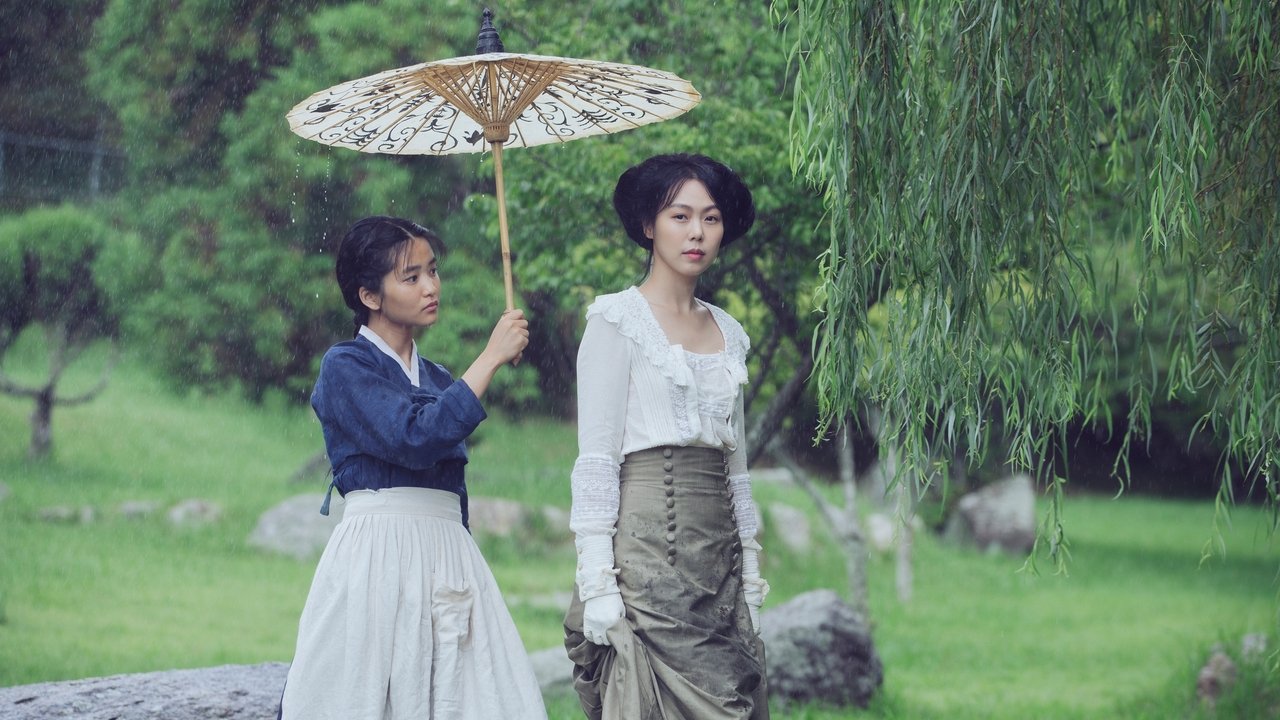
Ten years ago this week, Park Chan-wook's "The Handmaiden" arrived in UK cinemas, a film that seemed almost wilfully designed to wrong-foot audiences. Here was a South Korean director, known for his stylised brutality and moral ambiguity, making what appeared on the surface to be a period con-artist thriller set in 1930s Japanese-occupied Korea. What Park had actually crafted was something far more audacious: a film about desire, agency, and the masks we wear, dressed up in the formal wear of a sophisticated heist picture. The film's reputation has only grown in the decade since, becoming one of those works that prompted serious cinephiles to reassess their entire understanding of what a thriller could achieve.
Park's decision to adapt Sarah Waters' novel "Fingersmith" (itself set in Victorian England) and transplant it to occupied Korea was both clever and necessary. The colonial setting gave the film's examination of power dynamics a historical weight that elevated it beyond mere genre entertainment. The production was mounted as a South Korean picture with significant Japanese financing, a deliberate bridging of cinema cultures that reflected the film's own preoccupations with identity and performance. Kim Min-hee's handmaiden Sook-hee and Kim Tae-ri's sheltered heiress Hideko became the emotional core around which the plot's multiple reversals rotated, whilst Ha Jung-woo prowled through the narrative as the swindler whose schemes gradually dissolve in the face of genuine feeling. When it premiered at Cannes, the film's three-act structure and sustained tension marked it as something other than the typical thriller export; critics recognised that Park was using genre mechanics to explore loneliness, exploitation, and the possibility of connection across the chasms that privilege and circumstance create.
A decade on, "The Handmaiden" remains remarkably assured in its ambitions. What impressed most was Park's refusal to simplify his characters or their motivations, his willingness to let the film twist back on itself and reconsider what we thought we understood. It's a film that rewards rewatching precisely because the architecture supports multiple readings, and audiences continue to find new details in its meticulously composed frames. In an era when period dramas often play it safe and thrillers increasingly sacrifice character for plot mechanics, "The Handmaiden" stands as a reminder that you can have both, provided you're willing to trust your audience and take some serious risks. That's likely why it has aged rather better than most films from 2016.
Read my full review of The Handmaiden (2016): The Handmaiden (2016) ★★★★½
Related on Movies With Macca: More articles · Macca's Must Watch