Proof of Life (2000)

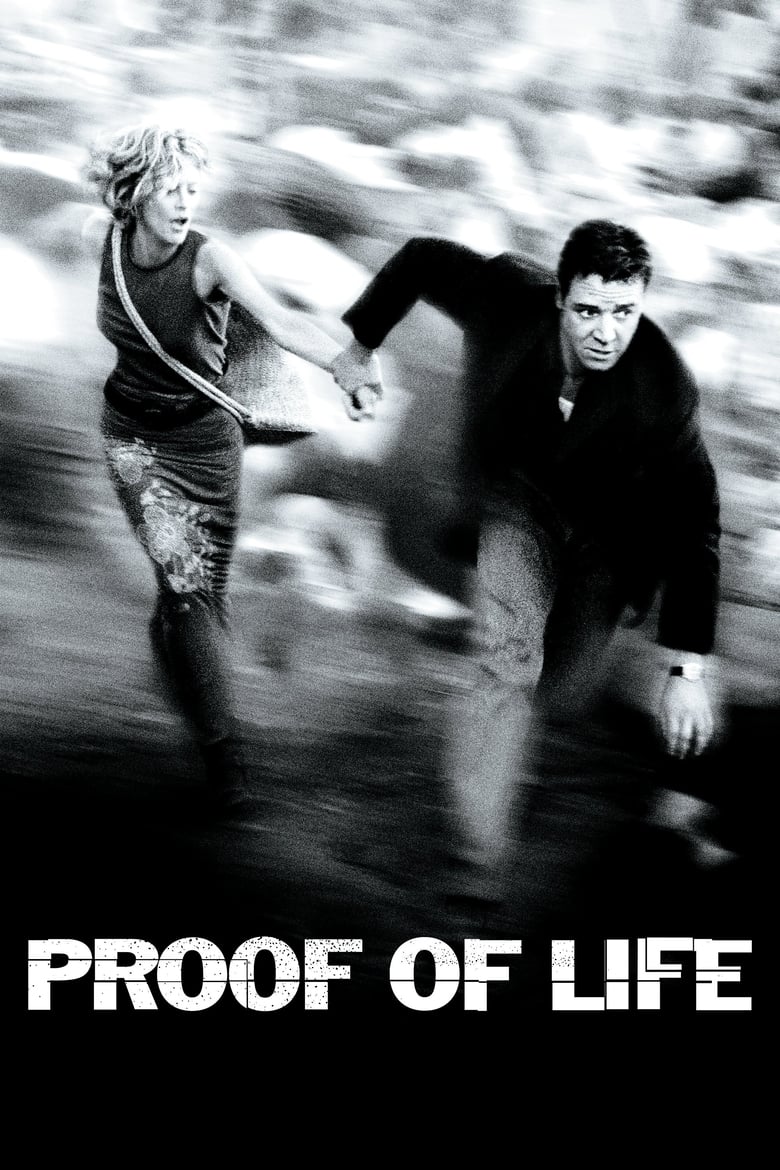
There's a version of Proof of Life that's a genuinely gripping hostage thriller. You can almost see it, lurking somewhere beneath the film we actually got. A tense, high-stakes rescue operation set against the brutal landscape of South American guerrilla territory, with a formidable cast and a director who's proven he can handle big, meaty material. On paper, it ticks every box for one of those quintessential early 2000s action thrillers I have a real soft spot for. And then you press play, and about twenty minutes in, you start to feel that sinking realisation: this isn't going to be what you hoped.
What Taylor Hackford actually delivers is something far more frustrating than an outright bad film. It's aggressively average. A middle-of-the-road drama that mistakes romantic tension for narrative drive and seems genuinely unsure what kind of film it wants to be. The premise is right there, loaded with potential, and the film just lets it sit.
The central problem is one of focus. The man being held hostage, the person whose life is supposedly hanging by a thread throughout, barely registers. His ordeal is treated almost like a subplot in his own rescue story. Instead, the script dedicates an enormous amount of runtime to the slow-burning attraction between Meg Ryan's wife and Russell Crowe's crisis management expert. Now, I'm not against a bit of human complexity in a thriller. Romance and tension can absolutely coexist. But when you're watching two people fall for each other while a man is rotting in a jungle camp, the script had better make you feel the weight of that contradiction. This one doesn't. The whole thing plays out with a flatness that does neither story any favours, and the cast, who should be selling every scene with urgency, seem to be working against a script that's already given up on momentum.
It's also impossible to look at this film without thinking about where it sits in Russell Crowe's career. He made this sandwiched between two of the finest performances of his generation. I thought Gladiator was an absolute powerhouse, and A Beautiful Mind showed a completely different kind of brilliance from him. Proof of Life, by contrast, feels like a contractual obligation slipped between two masterworks. He's not terrible here, but he's operating on a kind of autopilot that makes you appreciate just how switched-on he was in those other roles. There's no electricity in what he does, and the chemistry with Ryan, which the whole film is banking on, never quite ignites the way it needs to.
Then there's the length. This is a film that really, genuinely overstays its welcome. The second act in particular drags its feet badly. The pacing becomes a real issue when you realise the suspense isn't building, it's just idling. A tighter cut, maybe twenty or twenty-five minutes shorter, might have salvaged something more propulsive. As it stands, the runtime becomes part of the problem, giving you too long to notice everything that isn't working.
To be fair, it's not a disaster. There are occasional flashes of what the film could have been, moments where the setting and the premise briefly combine to produce something that feels genuinely tense. But they pass quickly, and you're back in the flatlands of a script that simply doesn't have the pulse to keep you gripping the armrest. For a thriller, that's a fairly damning flaw.
Two and a half stars. A squandered premise, a misfired romance, and a curious footnote in the career of one of his generation's best actors. Worth a watch if you're a Crowe completist, but don't go in expecting the edge-of-your-seat rescue thriller the trailers sold you on.
Rating: ★★½ | Year: 2000 | Watched: 2026-06-18
Where to watch
Watch in the UK
Rent: Apple TV Store · Rakuten TV · Amazon Video · Google Play Movies
Buy: Apple TV Store · Rakuten TV · Amazon Video · Google Play Movies
Physical: Amazon UK · Zavvi
Watch in the US
Stream: Howdy Amazon Channel
Rent: Amazon Video · Apple TV Store · Google Play Movies · YouTube
Buy: Amazon Video · Apple TV Store · Google Play Movies · YouTube
Physical: Amazon US
Affiliate disclosure: Movies With Macca may earn a small commission on purchases or subscriptions started via these links. It costs you nothing extra.