My Father's Shadow (2025)

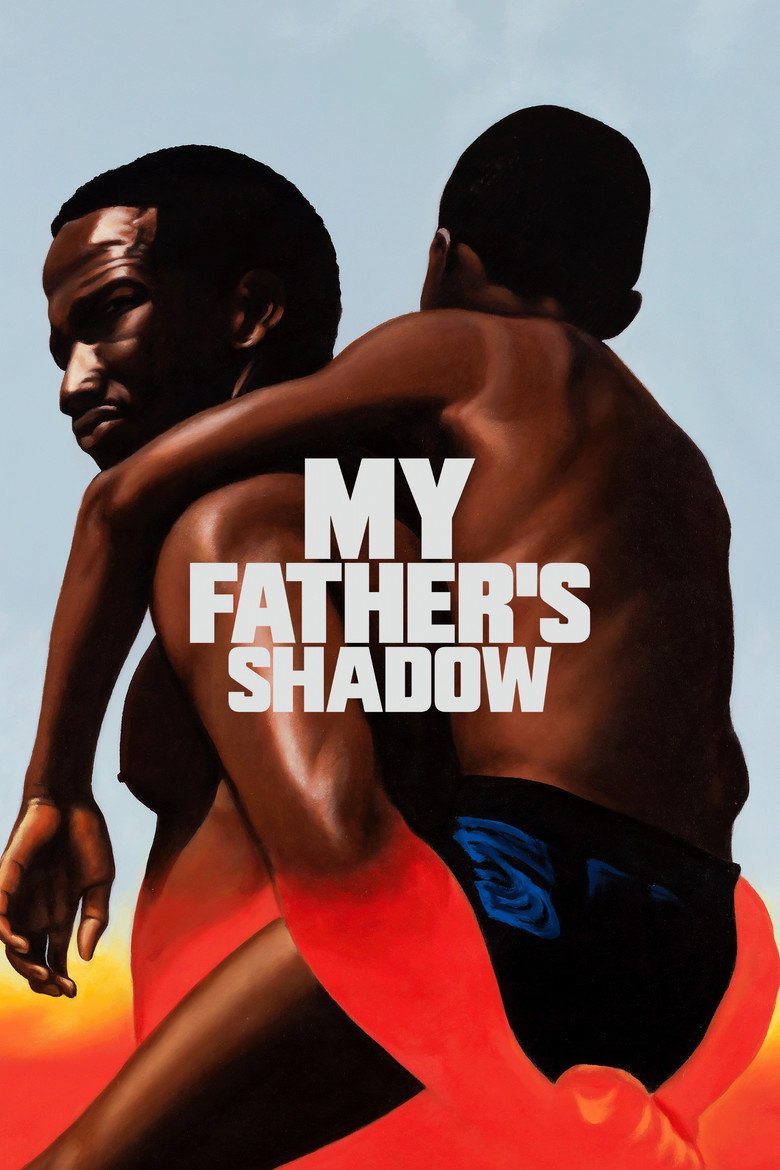
"Everything is sacrifice, you just have to make sure you don't sacrifice the wrong thing." That line lands early in My Father's Shadow and it stays with you for the rest of the film's running time, sitting quietly at the back of your mind while everything else unfolds. It's the kind of advice that sounds simple until you watch a father try to live by it, and realise how brutally hard that is.
Akinola Davies Jr.'s film is drawn heavily from his own life, and you feel that autobiographical weight in every frame. It centres on two young brothers and the fractured, tender relationship they have with their father. What's immediately striking is how deliberately the mother is kept at the margins. This is not her story. The film locks itself onto the father and his sons with a kind of laser focus, exploring the quiet tragedy of the distance between them and the unspoken love that refuses to disappear despite it. Davies Jr. trusts his audience to feel those gaps rather than filling them with explanation, and that trust pays off.
The film that kept coming to my mind as a point of comparison wasn't the one I'd expected. I understand Davies Jr. used Hirokazu Kore-eda's Shoplifters as a key reference point, and you can see that influence in the observational, unhurried intimacy of the filmmaking. But for me, the texture that the film most powerfully evokes is De Sica's Bicycle Thieves. That same gritty, neorealist honesty. That same portrait of a father navigating a harsh world with his children at his side, love and desperation knotted together so tightly you can't separate them. It's a brilliant blend of those timeless, soulful instincts with something that feels urgent and contemporary and deeply personal. It reminded me of the way I felt watching Eyimofe (This Is My Desire), that same quality of watching real life caught on camera rather than constructed for it.
The film builds steadily and purposefully toward a climax that deals with separation, with the moment when the distance between father and sons becomes something more permanent and more devastating. I won't get into the specifics, but it's handled with extraordinary restraint. There's no grand speech, no swelling score trying to tell you how to feel. Davies Jr. trusts the situation to carry its own weight, and it does. The quietness of it is what breaks you. You feel every decision the father makes pressing down on him, and the cumulative effect of all that unspoken feeling is genuinely wrenching.
There are moments where the film's ambitions slightly outpace its execution. A few scenes feel like they're reaching for something they don't quite land. But even when it stumbles slightly, there's such sincerity at work that you forgive it immediately. This is a filmmaker putting his own history on screen, and that vulnerability is both the film's subject and its method.
Three and a half stars.
My Father's Shadow is a quietly devastating piece of work. It doesn't announce itself loudly, doesn't push for your emotions or demand your attention. It simply sits beside you and tells you something true about fathers and sons, about the cost of love, about the wrong things we sacrifice trying to hold onto the right ones. It'll linger with you well after the credits roll. Sometimes the smallest, most personal films are the ones that cut deepest, and this is very much one of those.
Rating: ★★★½ | Year: 2025 | Watched: 2026-07-06
Where to watch
Watch in the UK
Stream: MUBI · MUBI Amazon Channel
Rent: Apple TV Store · Rakuten TV · Amazon Video
Buy: Apple TV Store · Rakuten TV · Amazon Video
Physical: Amazon UK · Zavvi
Watch in the US
Stream: MUBI · MUBI Amazon Channel
Rent: Amazon Video · Apple TV Store · Fandango At Home
Buy: Amazon Video · Apple TV Store · Fandango At Home
Physical: Amazon US
Affiliate disclosure: Movies With Macca may earn a small commission on purchases or subscriptions started via these links. It costs you nothing extra.