Jonah (2013)

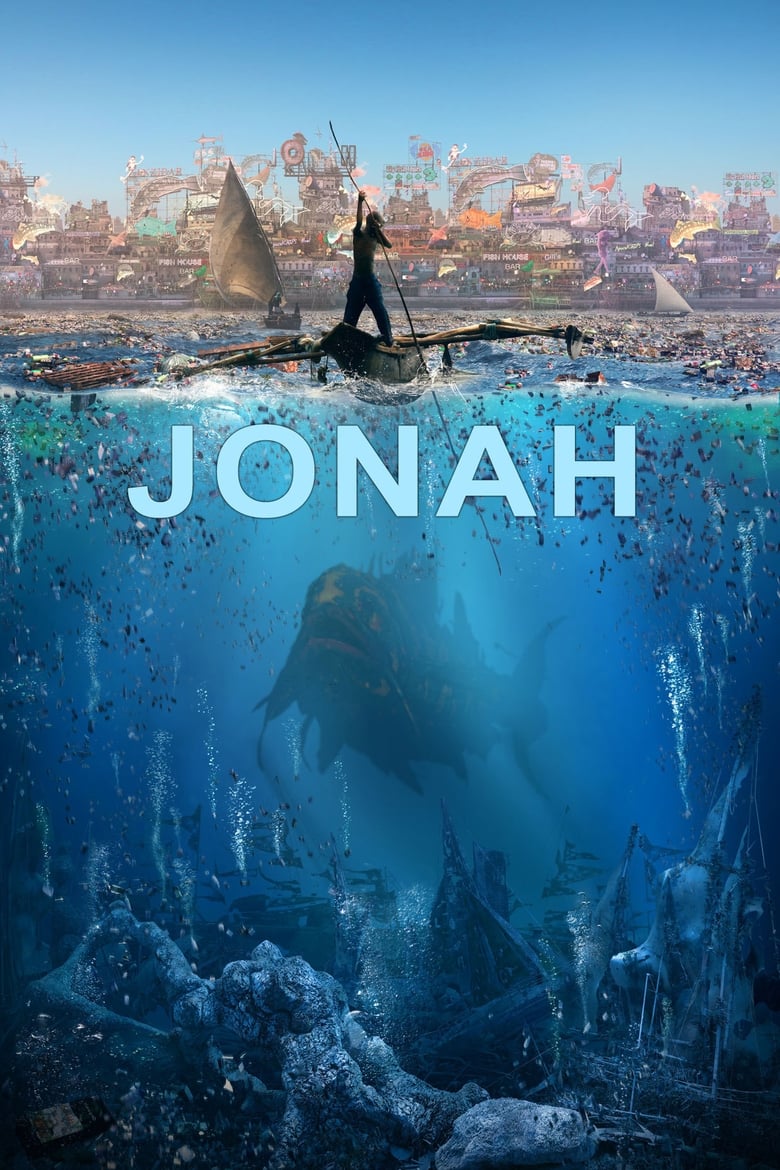
There's a photograph at the heart of Jonah, and everything falls apart because of it. One man, one camera, one enormous fish leaping in the background, and suddenly a quiet Tanzanian fishing village is never the same again. It sounds almost whimsical, and for a brief moment it is. But Kibwe Tavares is playing a much longer, darker game, and by the time this short film has run its course, the damage feels total and genuinely devastating.
I'll admit I came into this with fairly modest expectations. Short films, even acclaimed ones, can sometimes feel like calling cards, promising ideas that never quite pay off within the runtime. Jonah is the opposite. It's a quiet revelation, one that packs more social commentary into its tight runtime than a lot of features twice its length manage. And the fact that it comes from Tanzania, a country that produces very little on the global film stage, makes it all the more striking.
The setup is deceptively simple. That photograph goes viral in the way only truly strange, slightly spectacular things do, and almost overnight the village is unrecognisable. Tavares shows this transformation with a real visual confidence: the sleepy, sun-drenched waterfront gives way to neon, noise and the relentless machinery of modern capitalism. Hotels, tourists, money, spectacle. It's a striking, slightly surreal montage of greed consuming a place whole, and it's all the more effective for how matter-of-fact Tavares makes it feel. This isn't a horror film, but it carries a horror film's dread.
The man who took the photo sits at the centre of all this chaos, and his arc is where the film really finds its emotional punch. He rides the wave, naturally. The sudden wealth, the attention, the excess. Who wouldn't? Tavares doesn't judge him too harshly for it, which is smart, because the real villain here isn't any one person. It's the system that descends on a community like a fever. Watching him lose his moral footing and eventually end up with nothing is tragic in a way that feels earned rather than preachy. The film doesn't lecture. It just shows you the wreckage.
What Tavares is really getting at, beneath the fable-like surface, is the savage cost of so-called progress. The pollution, the destruction of the very coastline and sealife that attracted the crowds in the first place, the erasure of a way of life in the name of a quick buck. It's a critique of sensationalism and tourism that feels sharp and urgent without ever being heavy-handed. There's even something quietly biblical lurking in the title, that idea of being swallowed by something vast and indifferent and spat back out with nothing.
It reminded me, in some ways, of Obambo, another film from the African continent that uses a grounded, local story to say something much bigger about community, exploitation and the forces that destabilise ordinary lives. Both films prove that you don't need a Hollywood budget to arrive at something genuinely powerful.
The ambition on display here is inspiring. Tavares has a real eye, and he balances the film's fable-like qualities with a grounded visual style that keeps it from ever tipping into abstraction. It's funny in places, melancholy in others, and by the end it sits somewhere between parable and quiet gut-punch. At three stars it's not quite a perfect piece of work, and there are moments where the pace stumbles slightly, but the ideas are vivid and the execution is far more accomplished than the modest format might suggest.
If you haven't seen Jonah, seek it out. Short films like this deserve more than to be buried in festival archives.
Three stars.
Rating: ★★★ | Year: 2013 | Watched: 2026-07-06
Where to watch
Watch in the UK
Physical: Amazon UK · Zavvi
Affiliate disclosure: Movies With Macca may earn a small commission on purchases or subscriptions started via these links. It costs you nothing extra.