
Assault on Precinct 13 at Fifty: A Look Back
Assault on Precinct 13 (1976) at fifty: a look back at the film, its making and its legacy.

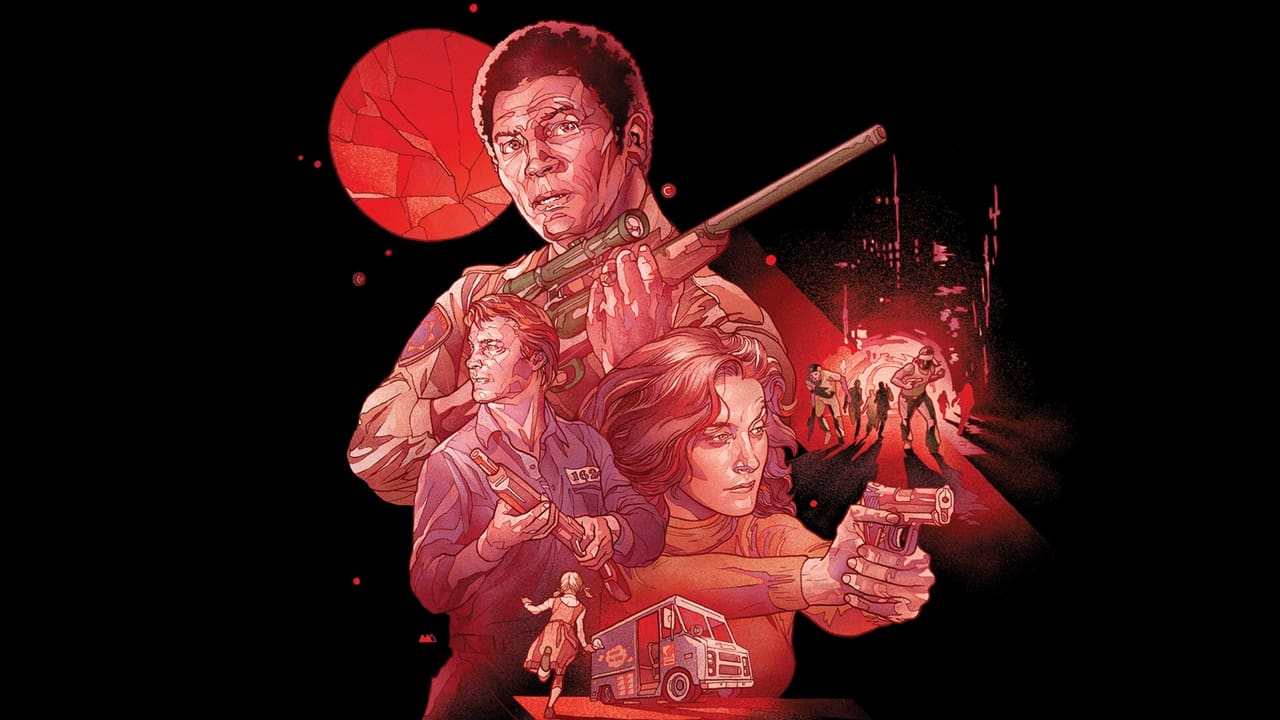
Fifty years ago next week, on 8 October 1976, John Carpenter released a film that would become a masterclass in low-budget thriller construction: Assault on Precinct 13. It arrived during a particular moment in American cinema, when paranoia and urban decay were favourite subjects for serious filmmakers, yet mainstream audiences still craved straightforward, propulsive entertainment. Carpenter's debut feature managed to be both: a taut siege picture that unfolded with the precision of a Swiss watch, set against the grime and danger of Los Angeles at dusk. The film cost next to nothing and looked like it, which only added to its credibility.
What made Precinct 13 distinctive was its refusal to complicate matters unnecessarily. A cop, two convicts being transported, and a civilian secretary find themselves trapped inside a soon-to-be-closed police station when a gang of young criminals, dressed in matching outfits and communicating largely through whistled signals, lay siege to the building. There is no elaborate backstory, no speeches about systemic injustice (though the socioeconomic subtext hovers beneath every frame). Carpenter simply wound up the narrative mechanism and let it run. The production had been organised on a shoestring: much of the film was shot around an actual LA precinct, the violence is suggested rather than graphic, and the entire enterprise has the look of something made by people solving problems rather than indulging in spectacle. Yet the result crackles with tension. Austin Stoker's weary officer, Darwin Joston's smooth-talking convict, and Laurie Zimmer's resourceful secretary work together through a series of escalating confrontations, each one a small puzzle to be solved.
Five decades on, Assault on Precinct 13 endures because it understands something fundamental about genre filmmaking: constraint breeds creativity. Carpenter went on to bigger budgets and more recognisable IP, but this film remains the one where you can see a director working out exactly what he's capable of. It influenced everything from action cinema to video games, and inspired a 2005 remake that proved, once again, that money and resources matter far less than knowing what you're doing. The film's economy of storytelling, its trust in the audience, and its absolute conviction in its own logic feel almost countercultural now, when so many thrillers assume their viewers need constant explanation and reassurance. Fifty years later, it still works like a machine.
Read Macca's full review of Assault on Precinct 13 (1976): Assault on Precinct 13 (1976) ★★★
Related on Movies With Macca: more Thriller films · more United States Of America films · Macca's Must Watch · more articles



