You Only Live Once (1937)
★★ — You Only Live Once (1937)

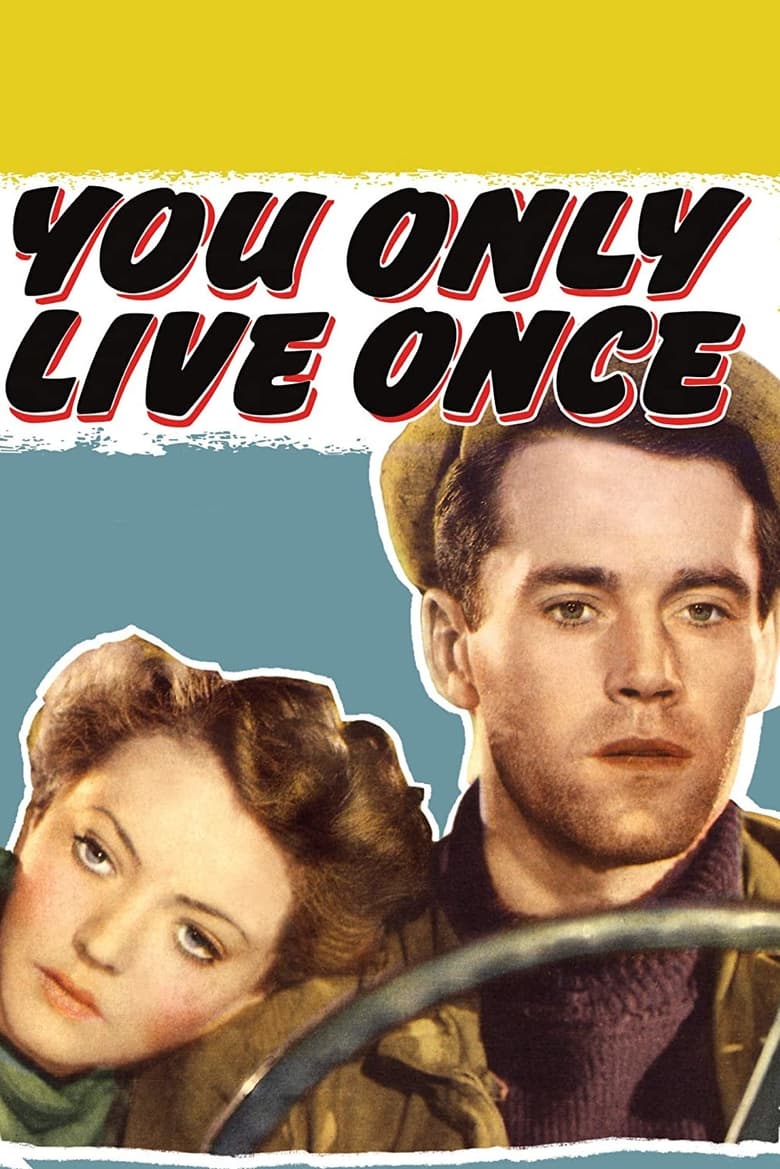
Here's the thing about Fritz Lang: when he's on form, he's extraordinary. His M is one of the most chilling, technically accomplished films I've ever sat with, a picture that makes you feel the weight of every scene. So when I tell you that You Only Live Once left me cold, you'll understand that's not a dismissal made lightly. This is Lang working in Hollywood, with a decent budget and a story that should, by rights, be urgent and heartbreaking. Instead I found myself watching the clock.
The premise is a good one. An ex-convict tries to build an honest life, only for society to keep shoving him back towards the abyss. It's the kind of material that speaks directly to the Depression-era moment it was made in, and you can see why critics over the decades have filed it neatly under "proto-noir" and "important precursor." And fine, historically, maybe it is. But history lessons and gripping films aren't always the same thing, and You Only Live Once is far more the former than the latter.
The pacing is the biggest problem. There's a kind of leaden quality to scene after scene, where dialogue lands without weight and moments that ought to land as gut-punches just drift past. The doomed lovers at the centre of the story, and yes, their doom is flagged practically from the opening reel, never feel like flesh and blood people. They feel like illustrations of a thesis. I understand that a certain symbolic quality was part of the aesthetic of the period, but compare this to something like Little Caesar, which managed to make its central figure feel genuinely vivid and dangerous despite all the conventions of early sound cinema. You Only Live Once doesn't have that pulse.
The performances are earnest, I'll grant them that. Nobody's phoning it in. But "earnest" and "wooden" can occupy the same space, and they do here. The characters are carrying so much symbolic baggage that the actors never quite get the chance to make them feel spontaneous or surprising. You know exactly where everyone is headed, and the film doesn't give you enough to look at along the way to make the journey worthwhile.
Lang's visual instincts do surface occasionally. There are moments where you catch a shadow falling just right, or a composition that feels genuinely expressive, where his German Expressionist background peeks through the Hollywood studio gloss. Those moments reminded me of what he's capable of, which in a way made the flat stretches feel even more frustrating. The talent is there. The urgency isn't.
I've seen the argument made that the film's social commentary, its anger at a system that criminalises poverty and denies rehabilitation, gives it an enduring relevance. And look, I don't disagree with the sentiment. The injustice at the heart of the story is real and worth exploring. But good intentions don't automatically make for a good film. The commentary here is buried under such dull execution that it barely registers as commentary at all. It just registers as slow.
Two stars. If you're working your way through the history of crime cinema or Lang's filmography specifically, it's worth a look for context. But if you're after the film noir atmosphere it supposedly anticipates, you'd do far better starting somewhere else. There are sharper, more alive pictures from this era that earn their reputation rather than simply inheriting one.
Rating: ★★ | Year: 1937 | Watched: 2026-04-19
Where to watch
Watch in the UK
Stream: Studiocanal Presents Amazon Channel
Physical: Amazon UK · Zavvi
Watch in the US
Stream: Philo · Fandor Amazon Channel · Shout! Factory Amazon Channel · Cineverse Amazon Channel
Rent: Amazon Video
Buy: Amazon Video
Physical: Amazon US
Affiliate disclosure: Movies With Macca may earn a small commission on purchases or subscriptions started via these links. It costs you nothing extra.
Related on Movies With Macca
More from Fritz Lang: M (1931)
More with Sylvia Sidney: Sabotage (1936)
More from the 1930s: Earth (1930) · Monkey Business (1931) · Sabotage (1936) · People on Sunday (1930)
More crime: A Better Tomorrow (1986) · Angst (1983) · Stolen Face (1952) · Cairo Station (1958)
More drama: Viy (1967) · Wonder (2017) · A Better Tomorrow (1986) · Beautiful Boy (2018)