The Second Night (2016)
★★★ — The Second Night (2016)

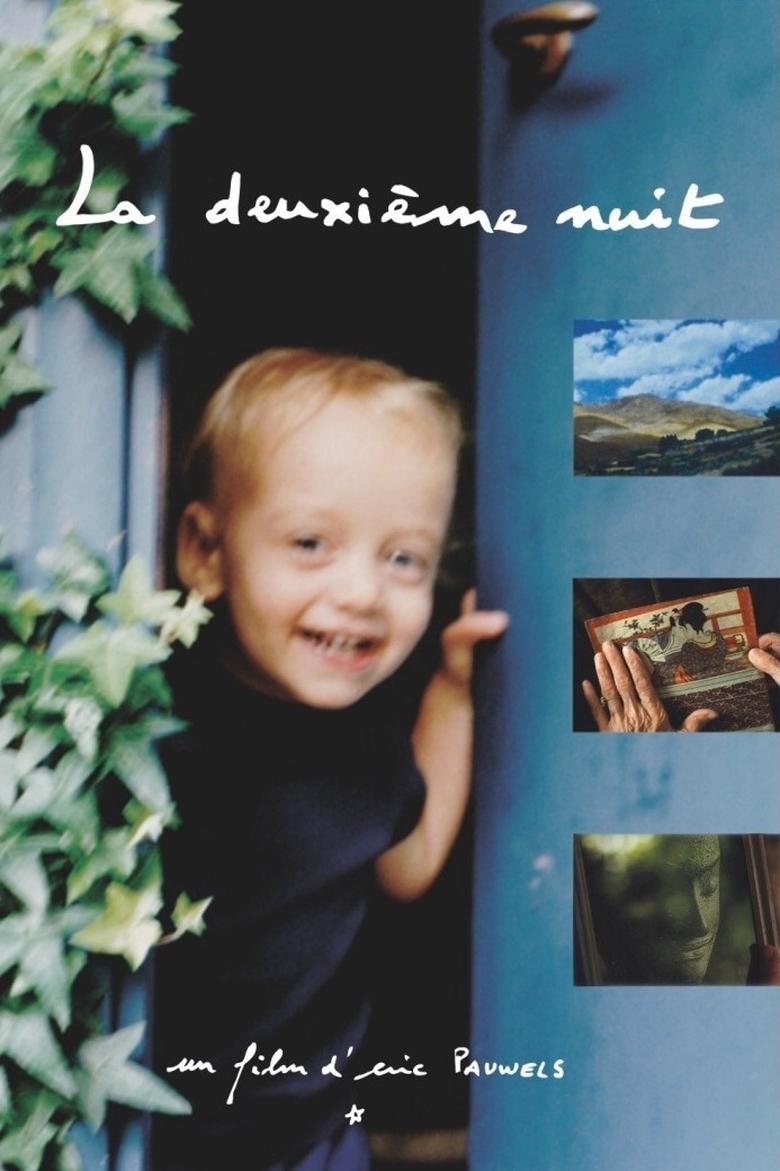
Grief doesn't move in straight lines. It doesn't build to a climax or resolve itself neatly in the third act. It sits. It circles back. It reshapes the most ordinary things, a room, a sound, a particular quality of afternoon light, into something almost unbearable. The Second Night understands that, and it builds its whole approach around it. Whether that's a strength or a frustration will depend almost entirely on what you bring to it.
This is a quiet documentary, and I mean that in the most deliberate sense. It's built from home-video fragments, ambient soundscapes, sparse narration, and carefully held images rather than interviews and chapter headings. It's concerned with the emotional aftermath of losing a mother, and it approaches that subject not through explanation but through mood and memory. There's no grand arc here, no moment where the fog lifts and understanding arrives. The film just sits with you in the sorrow, the way grief actually does, and asks you to stay there with it.
I found a lot to admire in that approach. The craftsmanship is thoughtful and restrained throughout. Soft lighting, unhurried pacing, compositions that feel considered without ever feeling showy. It avoids melodrama almost entirely, which takes genuine discipline when the subject matter is this raw. The emotional weight it achieves comes from authenticity rather than manipulation, and that's rarer than it sounds. For anyone who's lost a parent, there will be moments here that land almost wordlessly, that don't need to announce themselves because they're simply, precisely true.
That said, I have to be honest about where it lost me. The very stillness that gives the film its power is also what makes it feel longer than it needs to be. There's a difference between patient minimalism and repetition, and The Second Night crosses that line more than once. The lack of narrative progression is clearly a choice, a principled one, but there were stretches where I felt it was deepening the atmosphere less than it was just extending it. A tighter edit, maybe twenty minutes shorter, could have preserved everything that works here while sharpening the overall impact. The emotional core is strong enough; it didn't need quite so much space around it.
It reminded me a little of the way Lost Boy in Juba uses personal footage and fragmented testimony to get at something that straightforward documentary filmmaking might flatten. Both films trust silence and image over narration, and both reward patience, though The Second Night asks for more of it.
What the film does well, it does genuinely well. It refuses to rush grief, refuses to package it into something easier to consume, and there's real integrity in that. The piece feels sincere all the way through, never exploitative, never performative. It honours its subject by taking the experience of loss seriously, even when that means testing the audience's patience rather than soothing it.
Three stars. Worth watching, particularly if you come to it in a contemplative frame of mind, ideally somewhere quiet, with nothing to rush off to afterwards. But go in knowing it won't meet you halfway. It'll wait for you to come to it, and it won't apologise for that.
Rating: ★★★ | Year: 2016 | Watched: 2026-04-30
Related on Movies With Macca
More from Belgium: The Fourth Kind (2009) · Kirikou and the Sorceress (1998) · A Cat in Paris (2010) · Pink Floyd: Live at Pompeii (1972)
More from the 2010s: Wonder (2017) · Beautiful Boy (2018) · The Witch (2015) · What We Do in the Shadows (2014)
More documentary: Letter from Siberia (1957) · Lessons of Darkness (1992) · Style Wars (1983) · Here and Elsewhere (1976)