Symbiopsychotaxiplasm: Take One (1968)
★★½ — Symbiopsychotaxiplasm: Take One (1968)

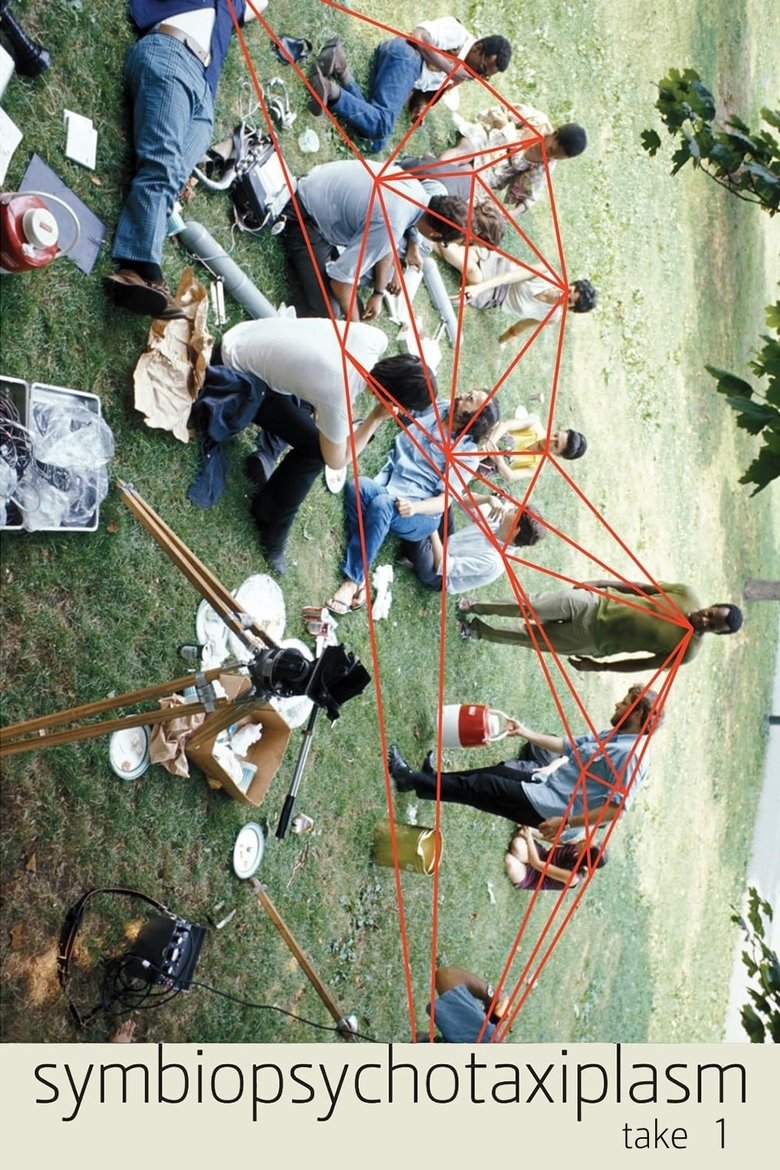
What even is this? That's not a dismissal, it's a genuine question, and it's probably the most honest way I can think of to open. Watching Symbiopsychotaxiplasm: Take One is less like sitting down with a film and more like stumbling onto a film being argued about, reassembled, and quietly sabotaged all at once. It's the kind of thing that makes you put your drink down and lean forward, not because it's gripping exactly, but because you're not entirely sure what you're looking at.
The basic setup is this: a director takes a crew to Central Park and films actors running a scripted scene, a fractious exchange between a couple on the verge of splitting up. Then he films the crew filming that. Then another crew films all of them. Passersby wander into frame, kids kick about in the background, joggers breeze past without a second glance. It's a hall of mirrors, layers of reality folding back on themselves, each one asking you to question what's performance, what's document, and who, if anyone, is in control. Intellectually, it's a bold and genuinely interesting provocation about authorship and truth in filmmaking.
The trouble is that intellectual boldness and actual watchability don't always shake hands.
The scripted scenes at the centre of it all are deliberately stilted, and yes, I understand that's part of the point. The awkwardness is the material. But understanding a choice and finding it compelling to sit through are two very different things, and those scenes drag in a way that no amount of conceptual justification fully rescues. There's no narration to anchor you, no traditional structure to hold onto, no storytelling cues that invite you in. The raw footage of everyday Park life adds a kind of accidental texture, a reminder that the world keeps moving regardless of whatever artistic experiment is being conducted in its midst. But texture isn't the same as cohesion, and for long stretches the film simply feels aimless.
It reminds me a little of what I found in Daisies (1966), that sense of a film actively resisting you, daring you to find a foothold while pulling the rug out at every turn. The difference is that Daisies has a mischievous energy that keeps you off-balance in an enjoyable way. Symbiopsychotaxiplasm is more earnest in its provocation, and paradoxically, that makes it harder to warm to.
What it unquestionably is, is historically significant. It was doing things with meta-filmmaking and documentary form that most cinema wouldn't catch up with for years. And there are moments when the layering genuinely crackles: the crew members' candid frustrations with the director, the unguarded faces of curious onlookers, the odd ruptures where the artifice and the real seem to collide without warning. In those moments, something genuinely strange and alive flickers through.
But those moments don't add up to a satisfying whole. The film is rough, unfinished by design or circumstance or both, and it resists categorisation to the point where it sometimes resists engagement altogether. Call it a documentary and it offers you no guidance. Call it fiction and it denies you any narrative satisfaction. It exists in a kind of deliberate limbo, which is either its greatest achievement or its central flaw, depending on how generously you're feeling on the day.
Two and a half stars, and I mean that honestly rather than as a slight. This is a film for film students, theorists, and dedicated cinephiles who want to trace the DNA of experimental cinema. For anyone else, it's more an artefact to be aware of than an experience to seek out. You don't really watch it so much as witness it, and even then you might walk away genuinely unsure what you were supposed to take from the whole thing. A curiosity, without question. A classic, it is not.
Rating: ★★½ | Year: 1968 | Watched: 2026-04-29
Where to watch
Watch in the US
Stream: Criterion Channel
Physical: Amazon US
Affiliate disclosure: Movies With Macca may earn a small commission on purchases or subscriptions started via these links. It costs you nothing extra.
Related on Movies With Macca
More from the 1960s: Viy (1967) · Persona (1966) · Carnival of Souls (1962) · Daisies (1966)
More documentary: Letter from Siberia (1957) · Lessons of Darkness (1992) · Style Wars (1983) · Here and Elsewhere (1976)