
Old Joy (2006)
★★ — Old Joy (2006)

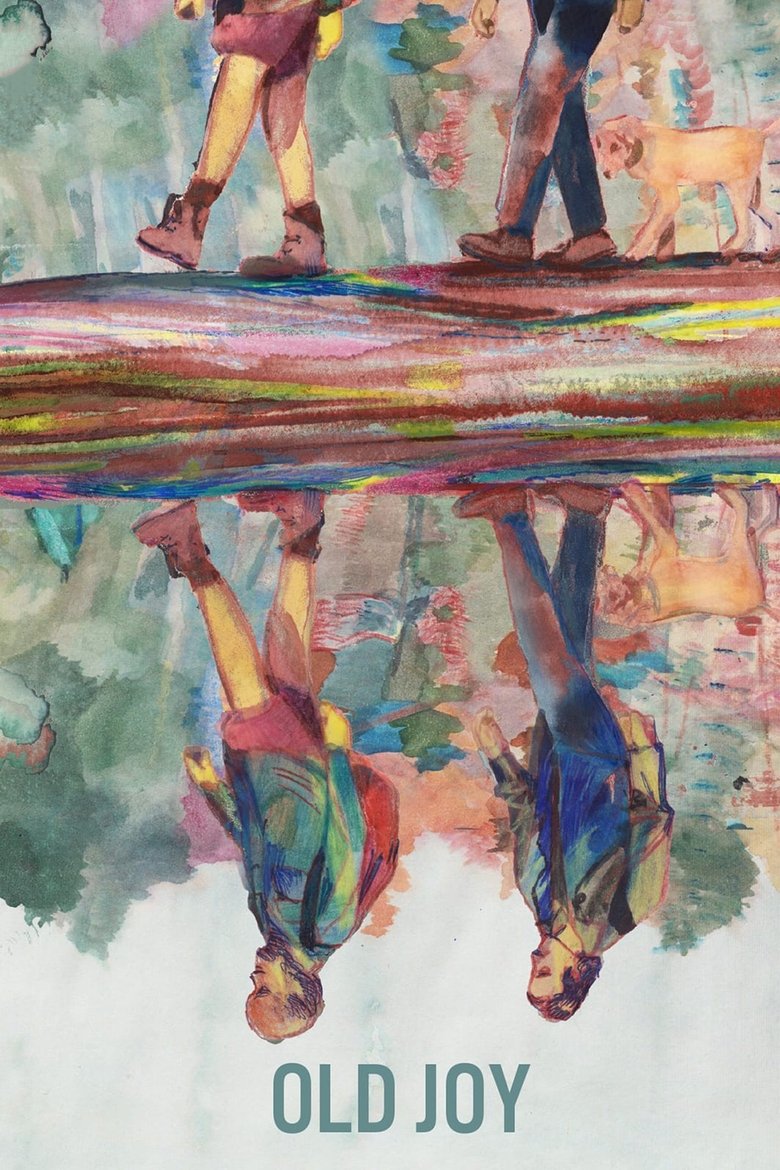
There's a version of this film I could love. Two old friends, a weekend in the Oregon wilderness, the kind of conversation you can only have when you're far enough from your ordinary life to speak honestly. That premise genuinely appeals to me. So it's frustrating to report that Old Joy squanders nearly every bit of its potential, offering atmosphere in place of insight and silence in place of anything worth saying.
The setup is simple enough. Mark is settled, reserved, a baby on the way, the weight of adult responsibility sitting quietly on his shoulders. Kurt is the opposite: drifting, unkempt, prone to spouting the kind of vague spiritual rambling that sounds profound at 2am and embarrassing in the cold light of morning. The contrast between them is painted clearly enough. The problem is that the film never does anything with it. These two men wander through misty forests, sit by crackling fires, exchange half-thoughts, and then go home. That's essentially it.
I don't have any objection to slow cinema in principle. Patience can be a virtue when a film is building toward something, when the quietness is doing real work beneath the surface. But Old Joy mistakes stillness for profundity. The long silences feel less like charged gaps between unspoken feelings and more like the film simply running out of things to say. The dialogue, which is clearly aiming for that loose, naturalistic quality where people talk around the thing they actually mean, lands as underwritten and aimless. Characters circle vague anxieties without ever getting close enough to examine them.
Kurt is the bigger problem, if I'm honest. He's positioned as a free spirit, someone who has rejected the compromises Mark has made, but his behaviour reads more like arrested development than liberation. He whines, he makes passive-aggressive digs, he leans heavily on Mark emotionally while offering very little in return. The film treats this with a kind of uncritical sympathy that I found difficult to get on board with. At no point does it interrogate whether Kurt's philosophy of non-attachment is wisdom or just a convenient excuse. It presents his aimlessness and seems to expect you to find it poignant. I found it self-indulgent.
At 76 minutes, it's at least brief. That's genuinely the kindest thing I can say about the pacing. Even so, it feels padded. There are hikes that go nowhere, campfire scenes that resolve nothing, radio broadcasts playing in the background that gesture toward a wider world without meaningfully connecting to the story. There's no emotional breakthrough, no moment where you feel something crack open between these two men, no insight that justifies the journey. The reunion, such as it is, ends without anything having shifted.
The Oregon landscape is genuinely beautiful, and the film wears it well. If you're the sort of viewer who can find satisfaction purely in mood and scenery, there might be something here for you. But I need a little more to hold onto. Compare it to something like Yi Yi, which also moves slowly and trusts the audience with silence, but earns every quiet moment through the depth of its characters and the precision of what it's actually saying. Old Joy doesn't come close to that standard.
Two stars. Beautifully shot, mercifully short, and almost entirely hollow.
Rating: ★★ | Year: 2006 | Watched: 2026-04-27
Where to watch
Watch in the UK
Stream: MUBI · MUBI Amazon Channel
Physical: Amazon UK · Zavvi
Watch in the US
Stream: HBO Max Amazon Channel · HBO Max
Physical: Amazon US
Affiliate disclosure: Movies With Macca may earn a small commission on purchases or subscriptions started via these links. It costs you nothing extra.
Related on Movies With Macca
More from the 2000s: Kirikou and the Wild Beasts (2005) · Anchorman: The Legend of Ron Burgundy (2004) · Daredevil (2003) · Apocalypto (2006)
More drama: Viy (1967) · Wonder (2017) · A Better Tomorrow (1986) · Beautiful Boy (2018)



