Cotton Comes to Harlem (1970)
★★★½ — Cotton Comes to Harlem (1970)

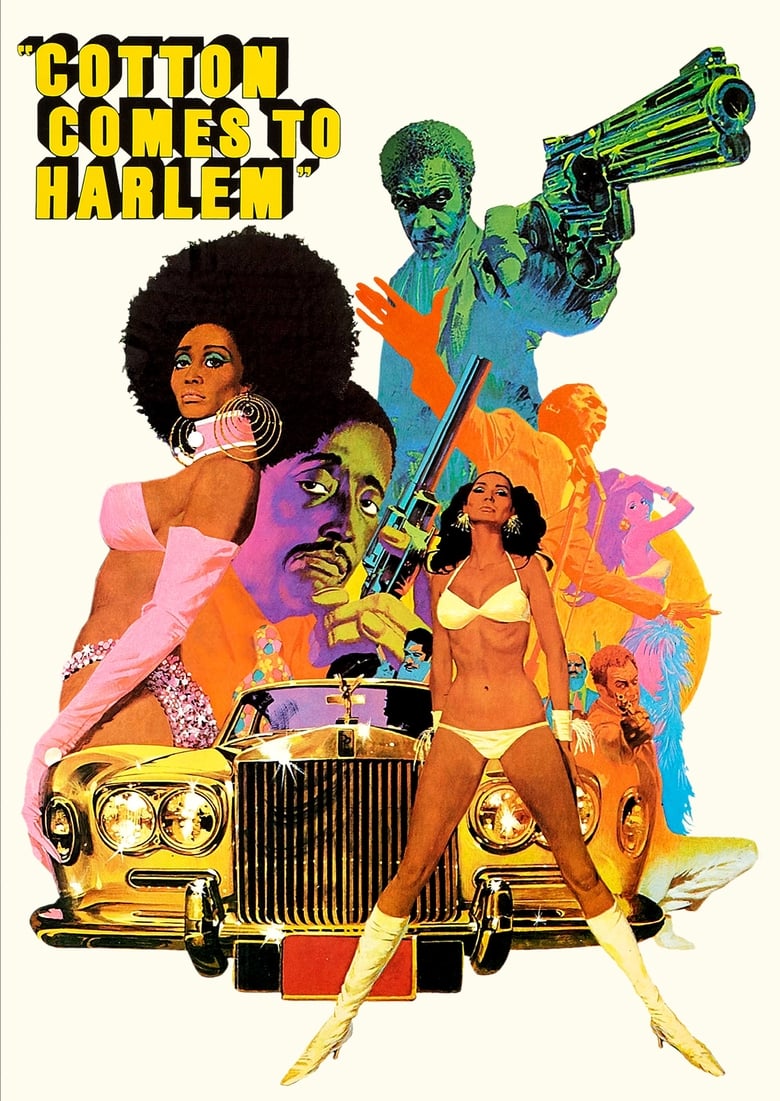
That main theme. You'll be humming it on the bus, in the shower, probably in your sleep. It burrows into your brain like it's paying rent, and honestly, it's earned its place there. Cotton Comes to Harlem is the kind of film that announces itself with a strut, and then spends the next ninety-odd minutes absolutely delivering on the promise.
Ossie Davis directs Chester Himes' source material with the confidence of someone who knows exactly what kind of picture he's making and has zero interest in apologising for it. This is a crowd-pleaser with attitude, a crime caper that moves at a pace most films half its age can't match. Two Harlem detectives, played by Godfrey Cambridge and Raymond St. Jacques, are chasing a stolen bale of cash through the streets of New York, and the plot is, let's be honest, fairly elastic in places. Logic occasionally takes a back seat. It doesn't matter. Not even slightly.
What matters is the rhythm. The script crackles with slang and sarcasm, and the social commentary is sharp, slipped in between the gags with a grin and a wink rather than a lecture. Cambridge and St. Jacques are an absolute joy together. They trade banter like seasoned pros who've known each other their whole careers, and their chemistry is the engine the whole thing runs on. You'd watch them bicker and bluster through just about anything.
And then there are the car chases. I want to talk about those car chases. Shot on real Harlem streets with what looks like real stuntmen just absolutely going for it, they've got a kinetic, chaotic energy that genuinely puts a lot of modern action sequences to shame. There's no CGI safety net here, no clean digital polish. It's messy and fast and you can feel the tarmac. I've watched a lot of films that prioritise spectacle over sensation, and Cotton Comes to Harlem quietly makes the case that knowing your location and trusting your drivers will get you further than any amount of visual effects budget. Thinking about pure vehicular chaos as a filmmaking tool, I had similar thoughts watching Mad Max: Fury Road (2015), though obviously the two films are operating in very different registers.
Is it broad? Yes. Is it sometimes cartoonish? Absolutely. Is it very much of its time in ways you'll notice? Of course it is. But it's also proudly, unapologetically fun, and there's something refreshing about a film that knows its own nature and commits to it fully. It doesn't want to be a serious political statement, though the politics are definitely in there if you're paying attention. It wants to entertain you, and it does, from the opening scene to the last frame.
The soul-funk soundtrack deserves its own paragraph, really. It's exceptional. The kind of score that makes you want to find the vinyl, stick it on, and just let it play. Between the music, the performances, and those streets, the film captures a particular version of Harlem with a warmth and specificity that feels genuinely affectionate rather than exploitative. Davis clearly loves this world.
Not a masterpiece, and I wouldn't pretend otherwise. If you're after something profound and weighty from 1970, there are other queues to join. But if you want laughs, action, two enormously likeable leads, and one of the best soundtracks of the decade? This absolutely delivers. Three and a half stars, and a very enthusiastic recommendation to anyone who fancies a great time at the pictures.
Rating: ★★★½ | Year: 1970 | Watched: 2026-04-13
Where to watch
Watch in the UK
Rent: Apple TV Store · Amazon Video · Google Play Movies · YouTube
Buy: Apple TV Store · Amazon Video · Google Play Movies · YouTube
Physical: Amazon UK · Zavvi
Watch in the US
Stream: ScreenPix Apple TV channel · ScreenPix Amazon Channel
Rent: Amazon Video · Apple TV Store · Google Play Movies · YouTube
Buy: Amazon Video · Apple TV Store · Google Play Movies · YouTube
Physical: Amazon US
Affiliate disclosure: Movies With Macca may earn a small commission on purchases or subscriptions started via these links. It costs you nothing extra.
Related on Movies With Macca
More from the 1970s: Fantastic Planet (1973) · Here and Elsewhere (1976) · Italianamerican (1974) · Punishment Park (1971)
More action: A Better Tomorrow (1986) · The General (1926) · Hand of Death (1976) · Daredevil (2003)
More comedy: The Eagle (1925) · The General (1926) · Americana (2023) · The Naked Gun: From the Files of Police Squad! (1988)